
Film Wedding Photography: Why 35mm & Analogue Photography Belong in Your Gallery
Film wedding photography feels more human and present. Discover how 35mm wedding photography elevates your story with artful frames and a refined, nostalgic feel.
In this article: why film is back, how analogue complements a digital documentary, what to expect (and not), when 35mm is a good fit. Plus a curated gallery and helpful FAQs.


Is It Just a Trend? Why Film Is Back (and Staying)
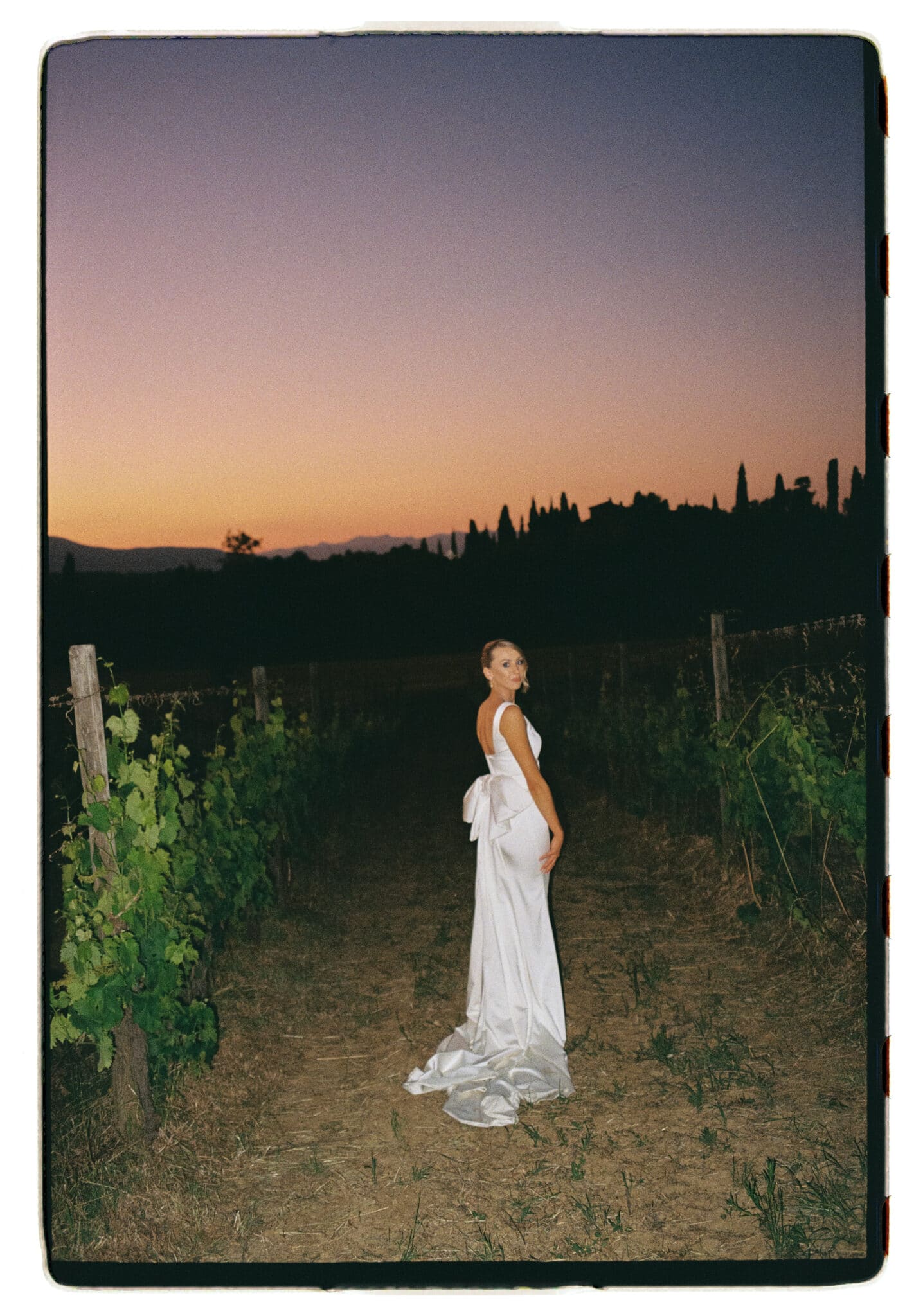
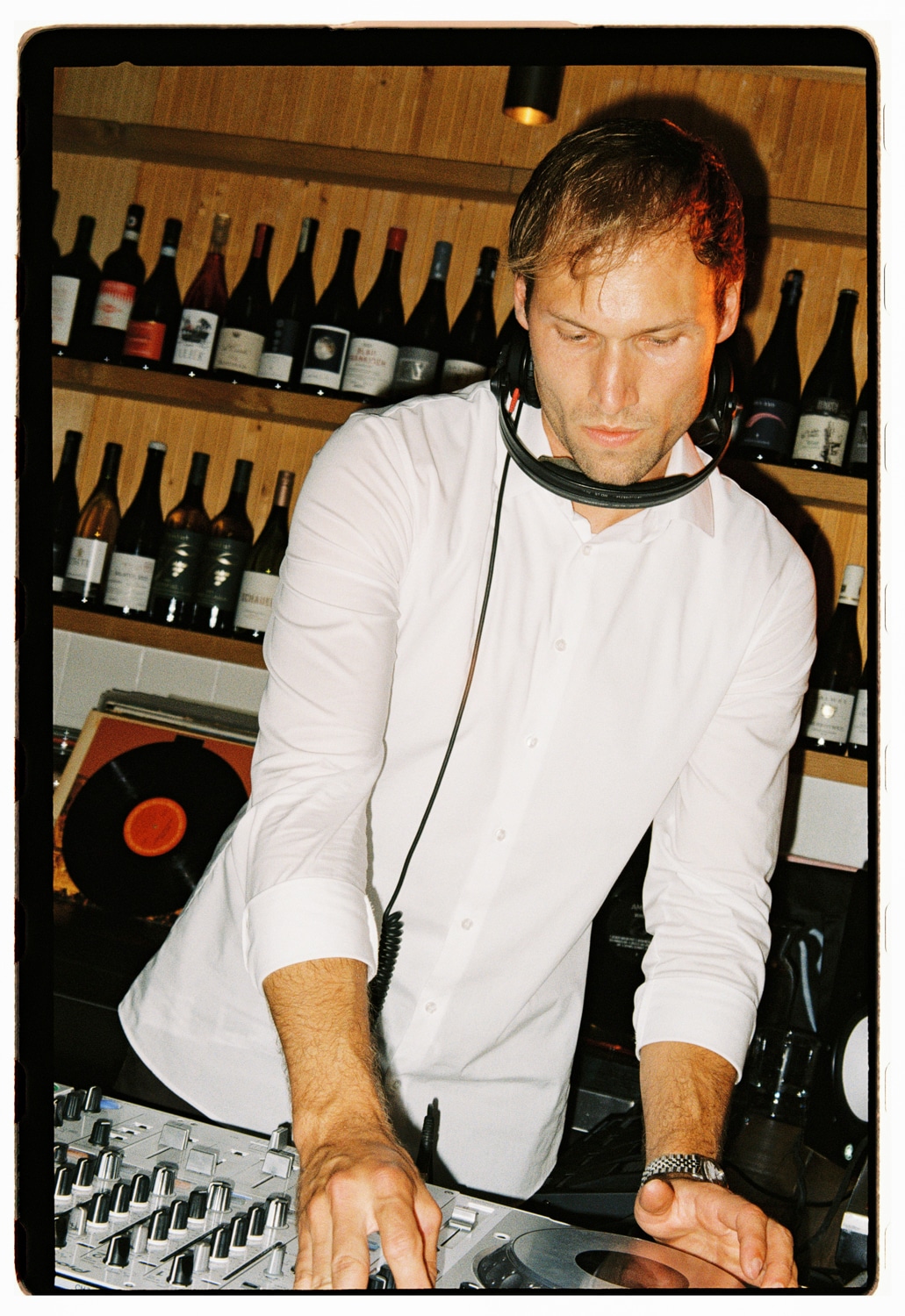
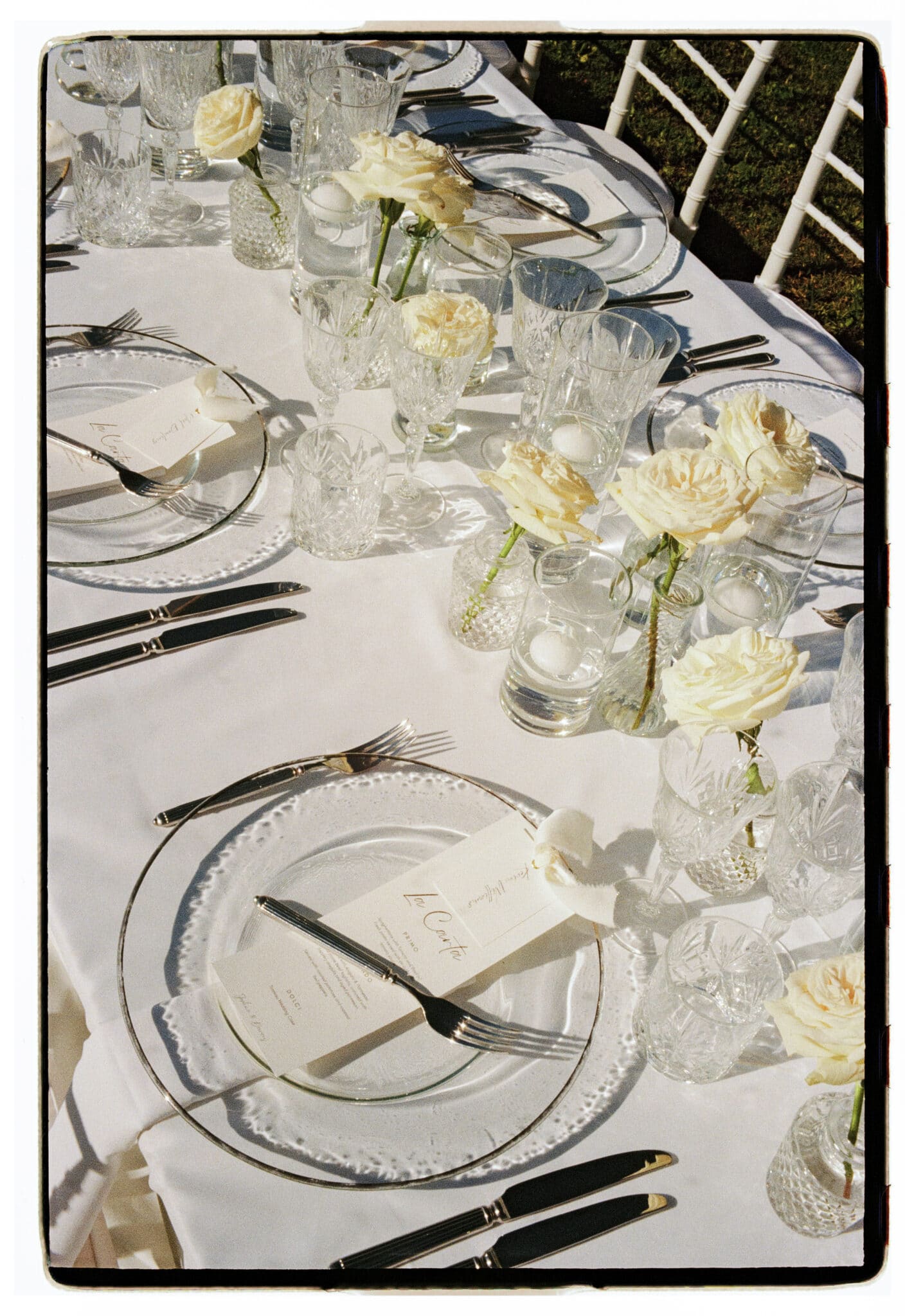
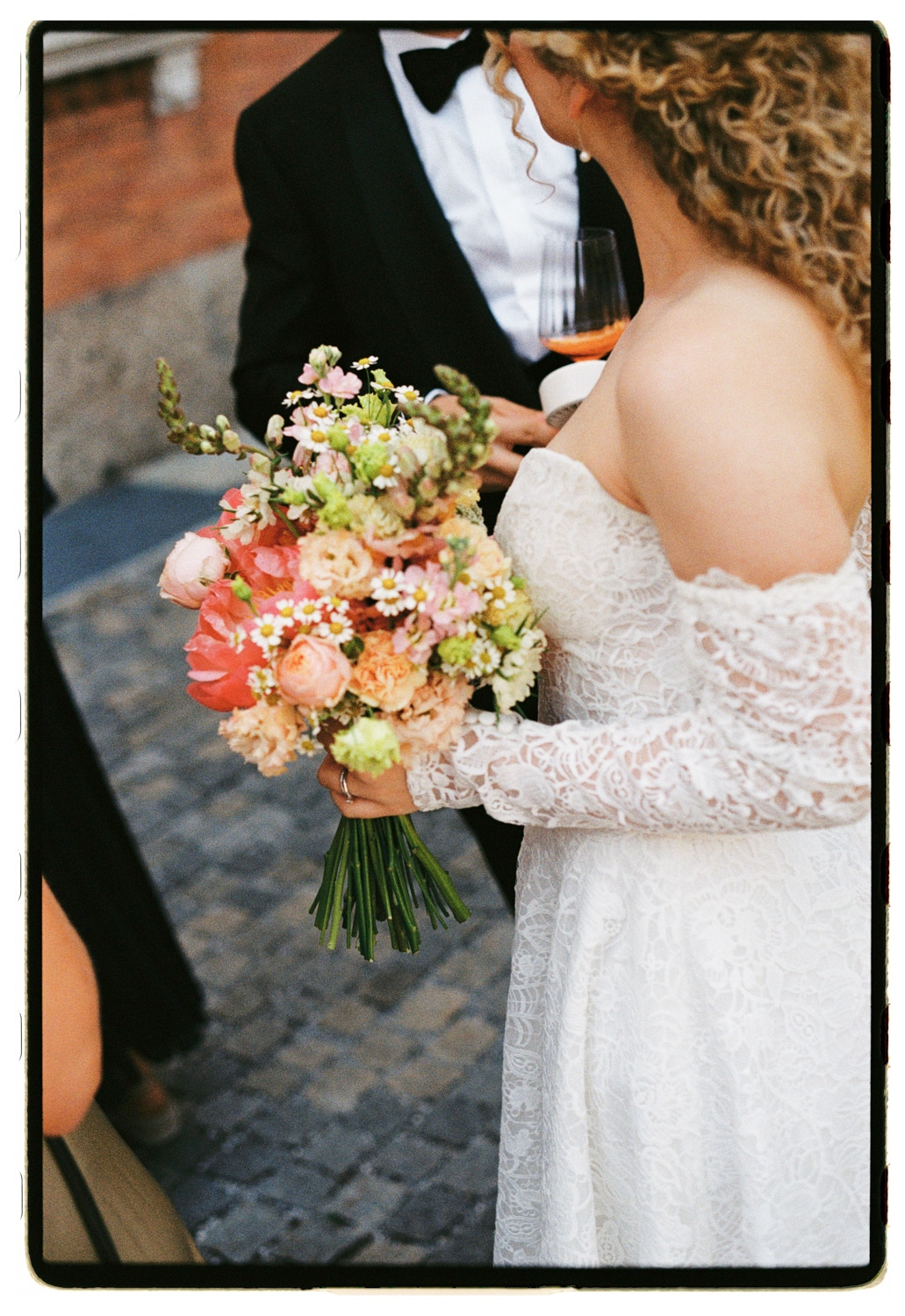
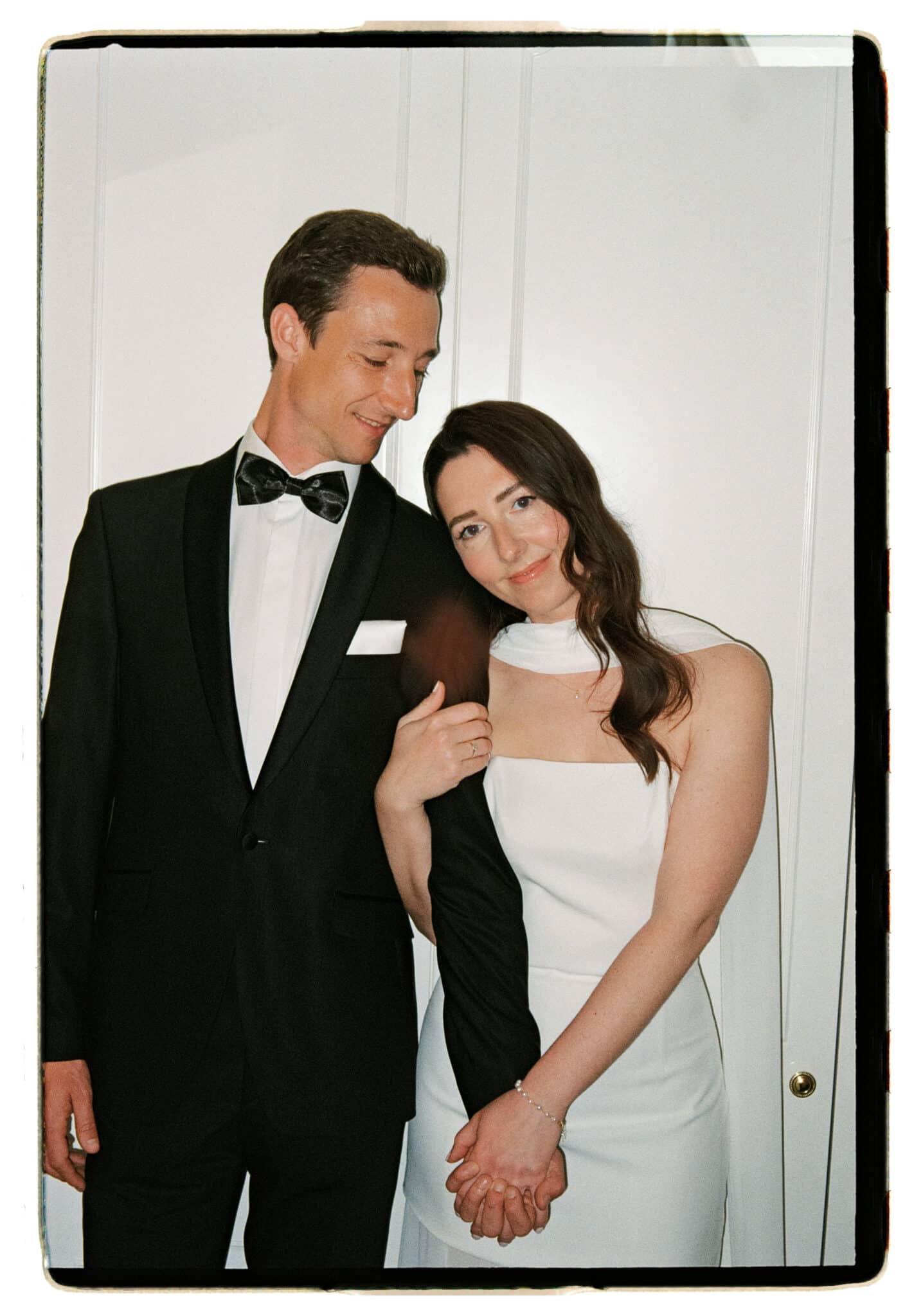
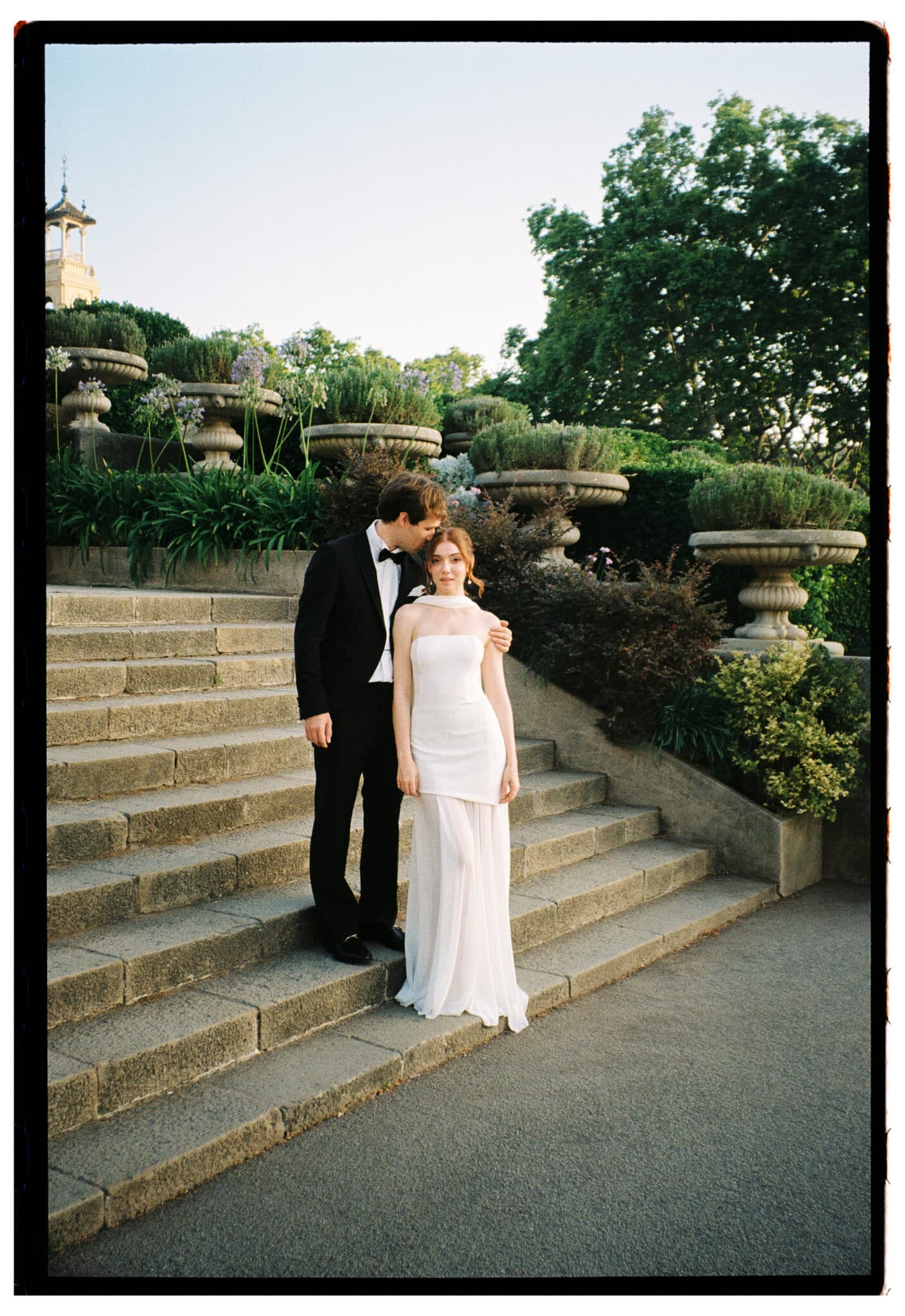
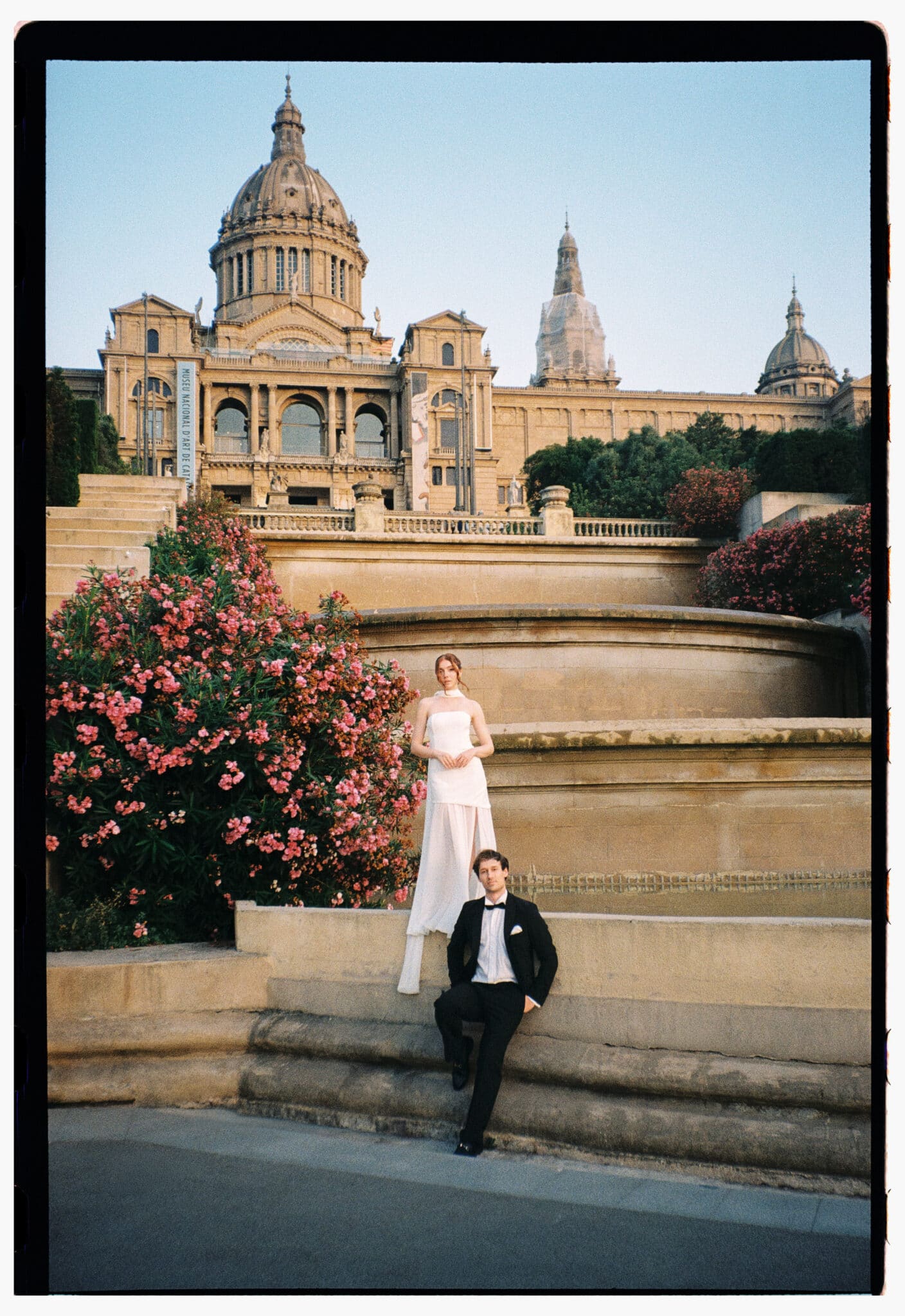
Film Photography is not a gimmick. It asks the photographer to slow down and make each frame count. Couples choose it for the result: depth, nostalgic look, and a timeless film aesthetic. Old stone, gardens, and natural textures look especially beautiful on film. The medium rewards care and patience. That is why film is back. And why it will stay.
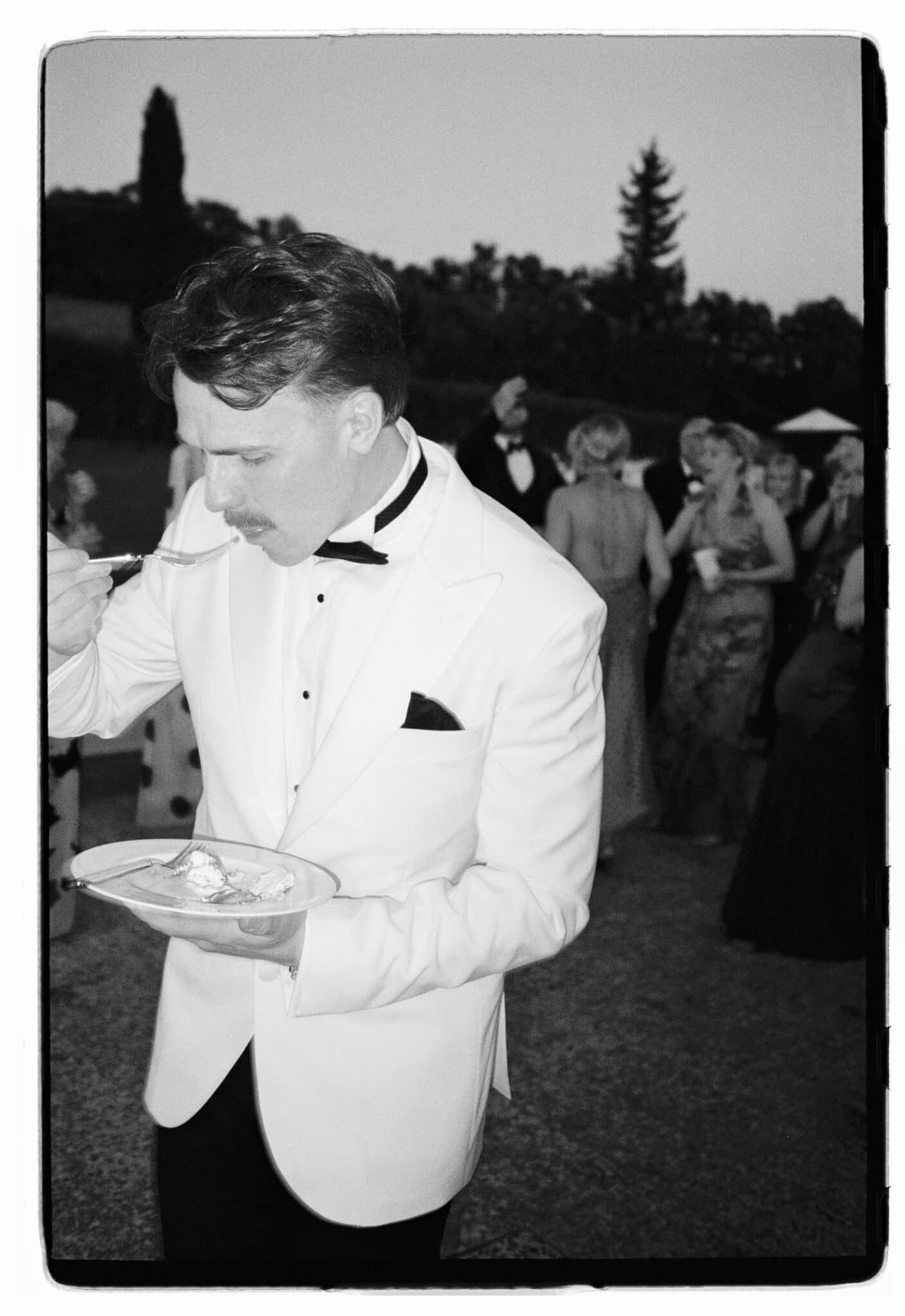
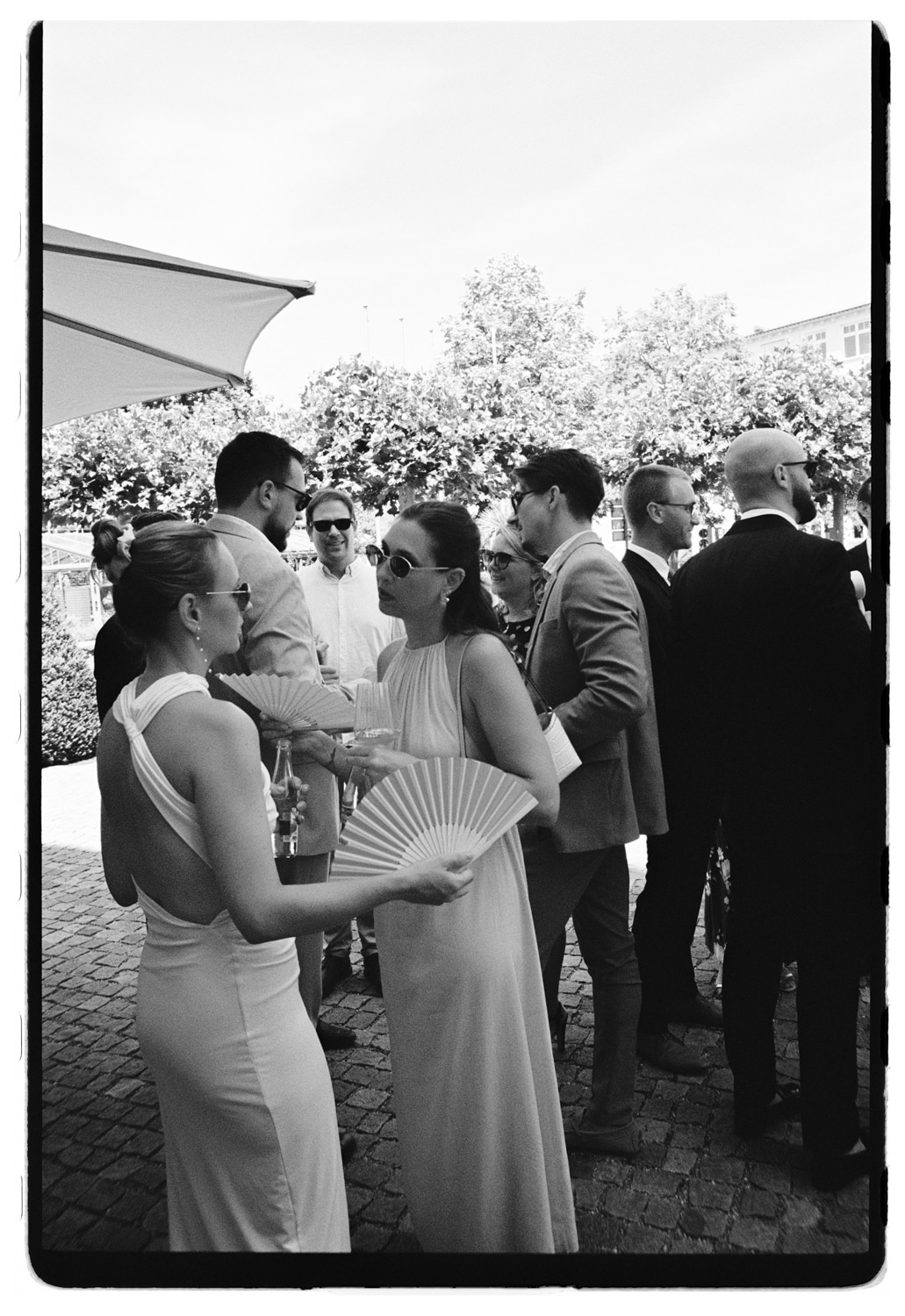
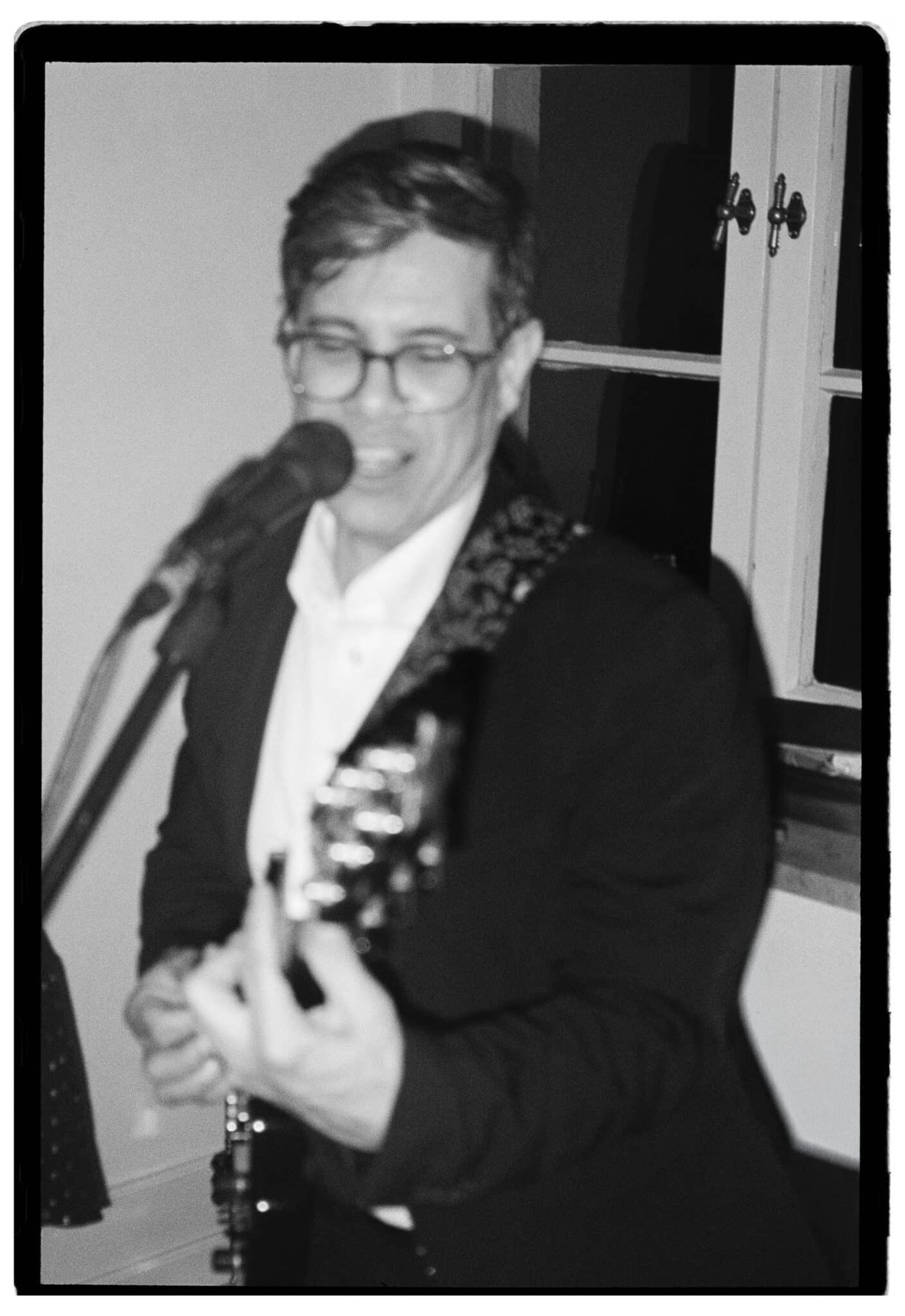
Many couples love this “imperfect beauty”: a little motion blur, occasional direct flash, and frames shot on film that feel curated, not mass-produced. Film reads as a modern luxury: Fewer, more intentional frames and a slower rhythm. Colors look true to life, highlights fall off softly, and soft grain adds texture. Together creating a timeless film aesthetic that elevates your wedding documentary.
Why Add Analogue Wedding Photography to Your Wedding Documentary?
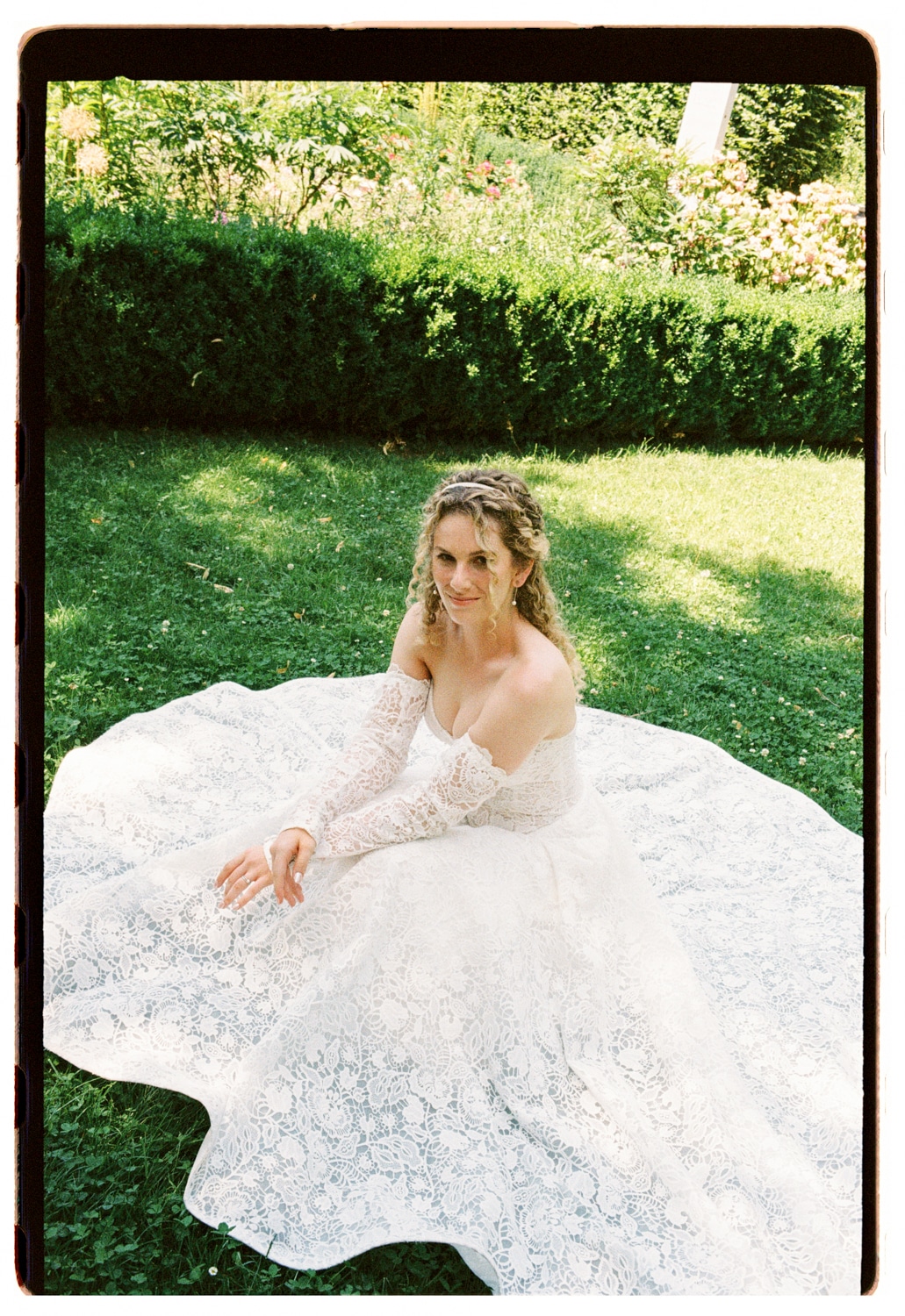
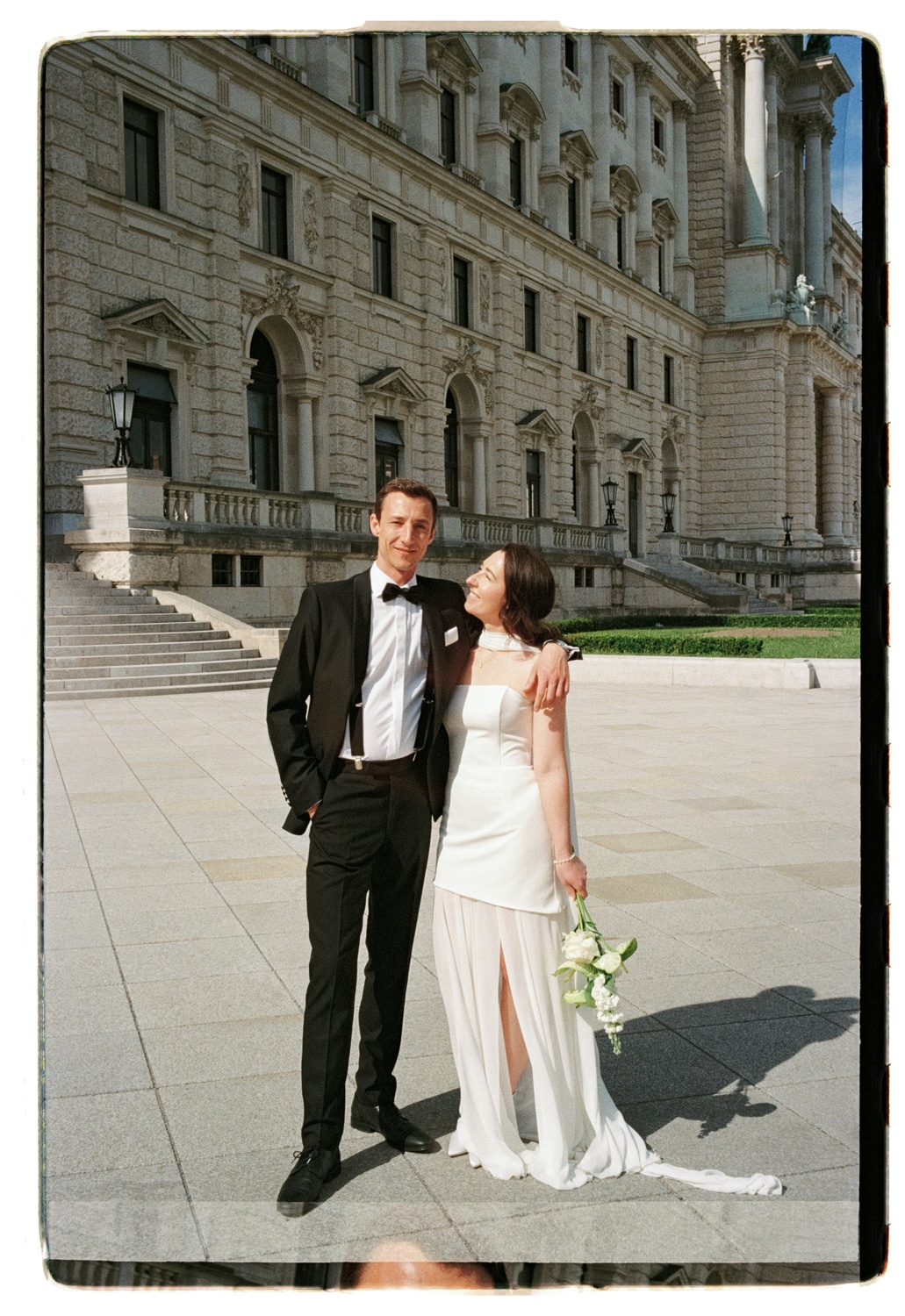
Analogue adds mood. Wedding photos on film show true-to-life color, gentle contrast, and soft grain. Faces look natural. Light feels calm. These frames sit beside your digital documentary and add a distinct look with a more intentional pace. Nothing else can replace, or truly replicate, what film does.
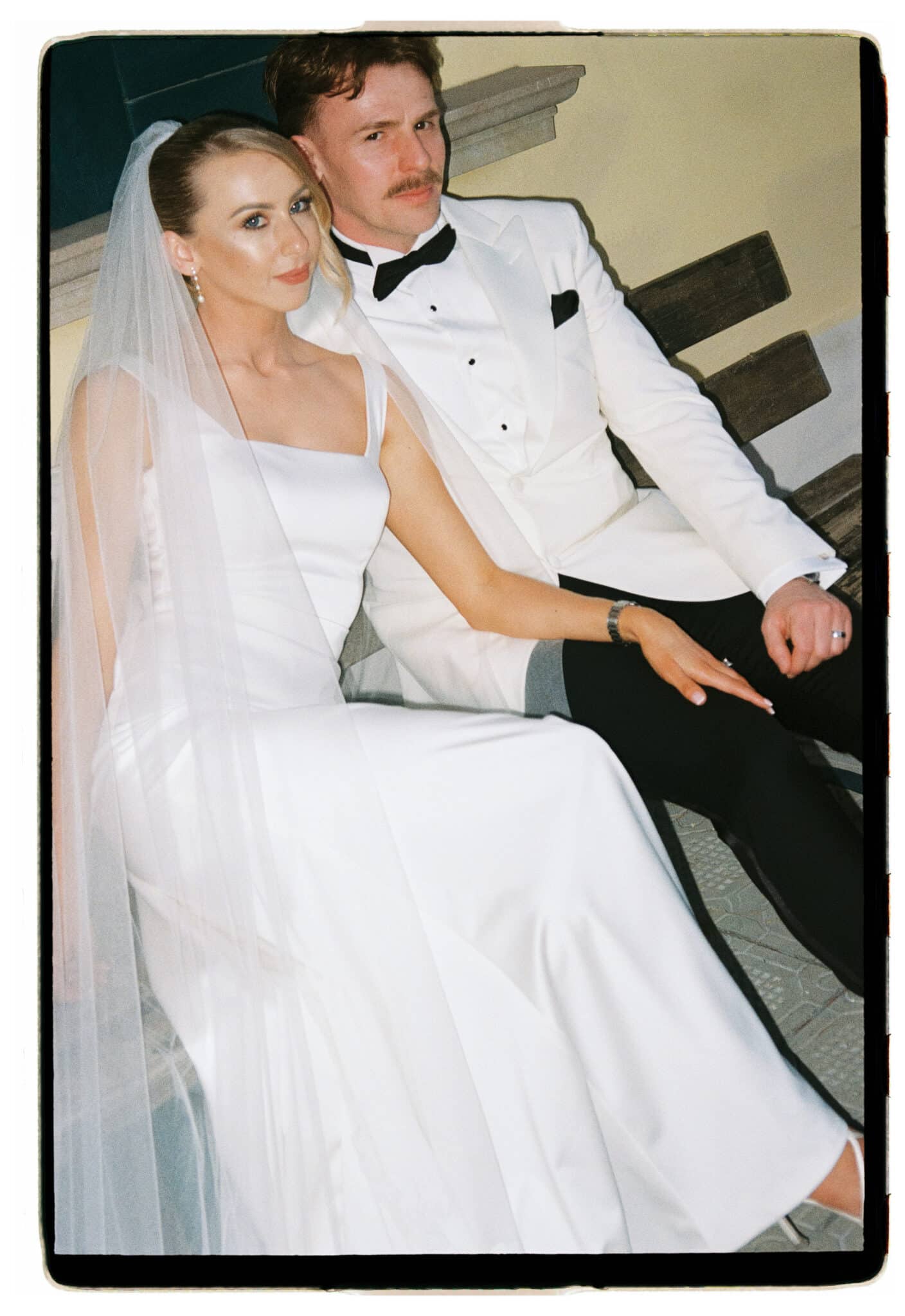
As your wedding photographer, I reach for 35mm film when a scene deserves the spotlight: clean, minimal portraits; still details; the character of your venue’s architecture; your favorite people in late light. Digital is fast and precise. It records everything clearly and excels in low light. Film, by contrast, is deliberate and beautifully imperfect. It delivers a small set of curated, tactile images. Heirloom highlights within the larger gallery.

How 35mm Wedding Photography Complements a Digital Documentary
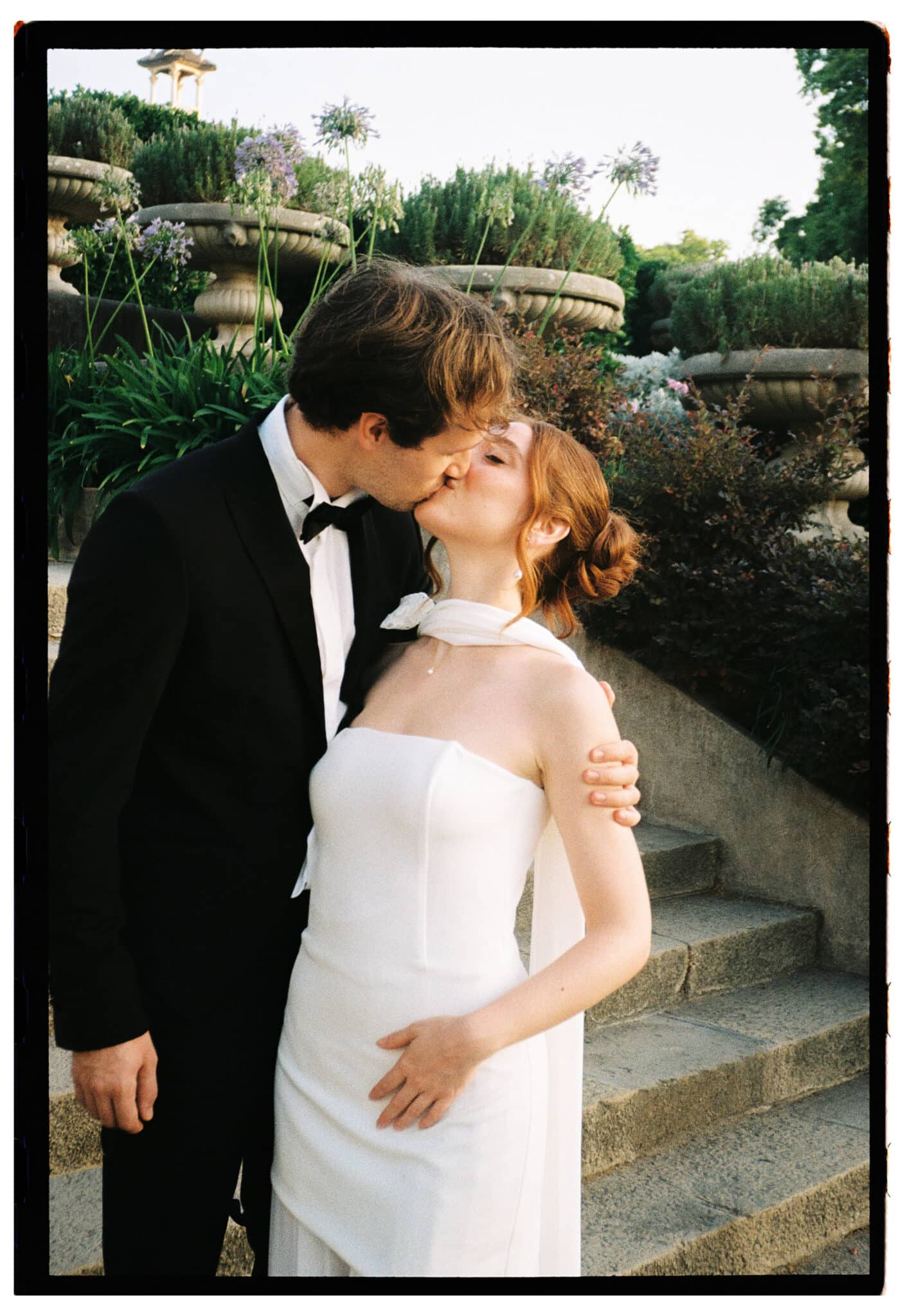
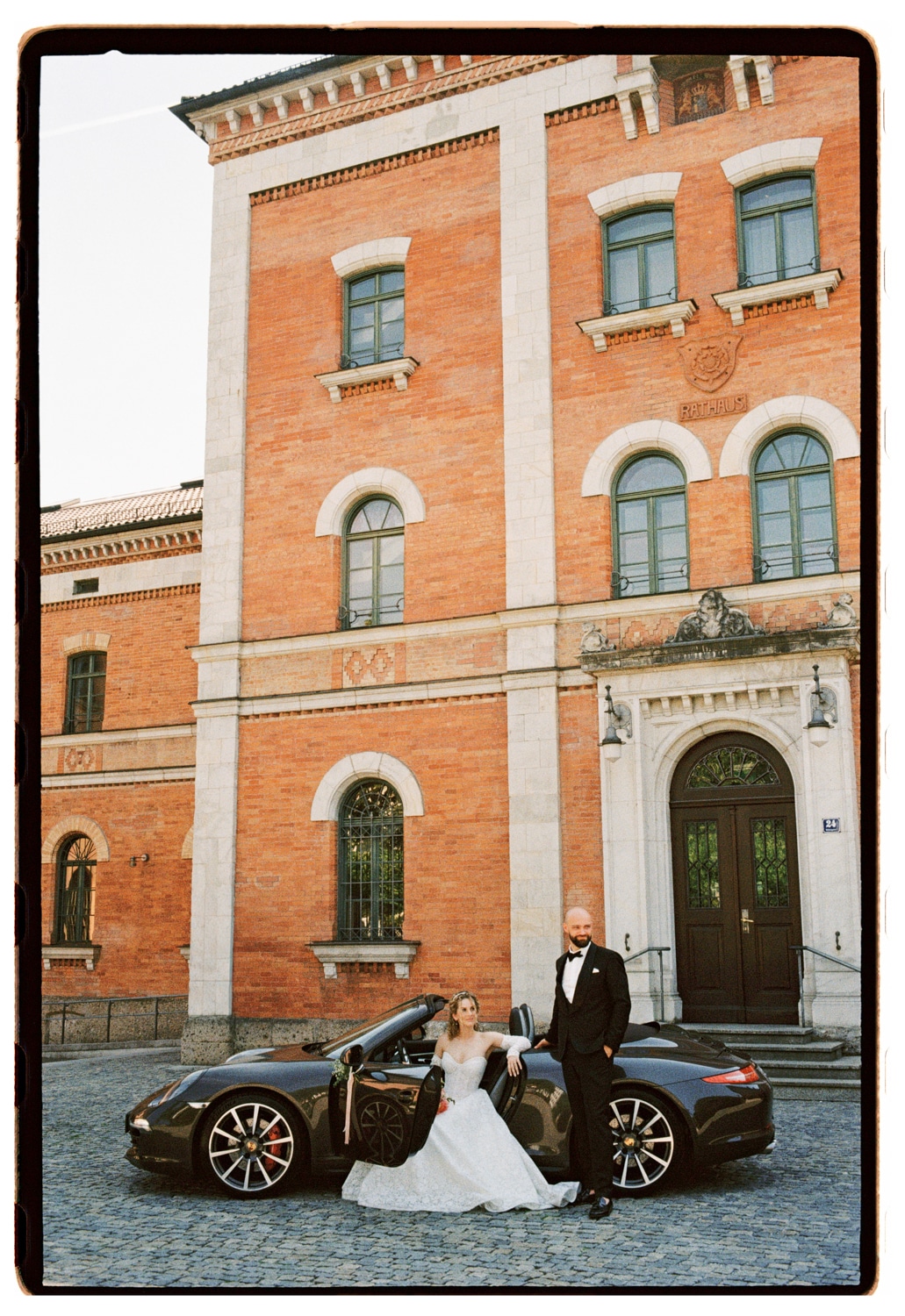
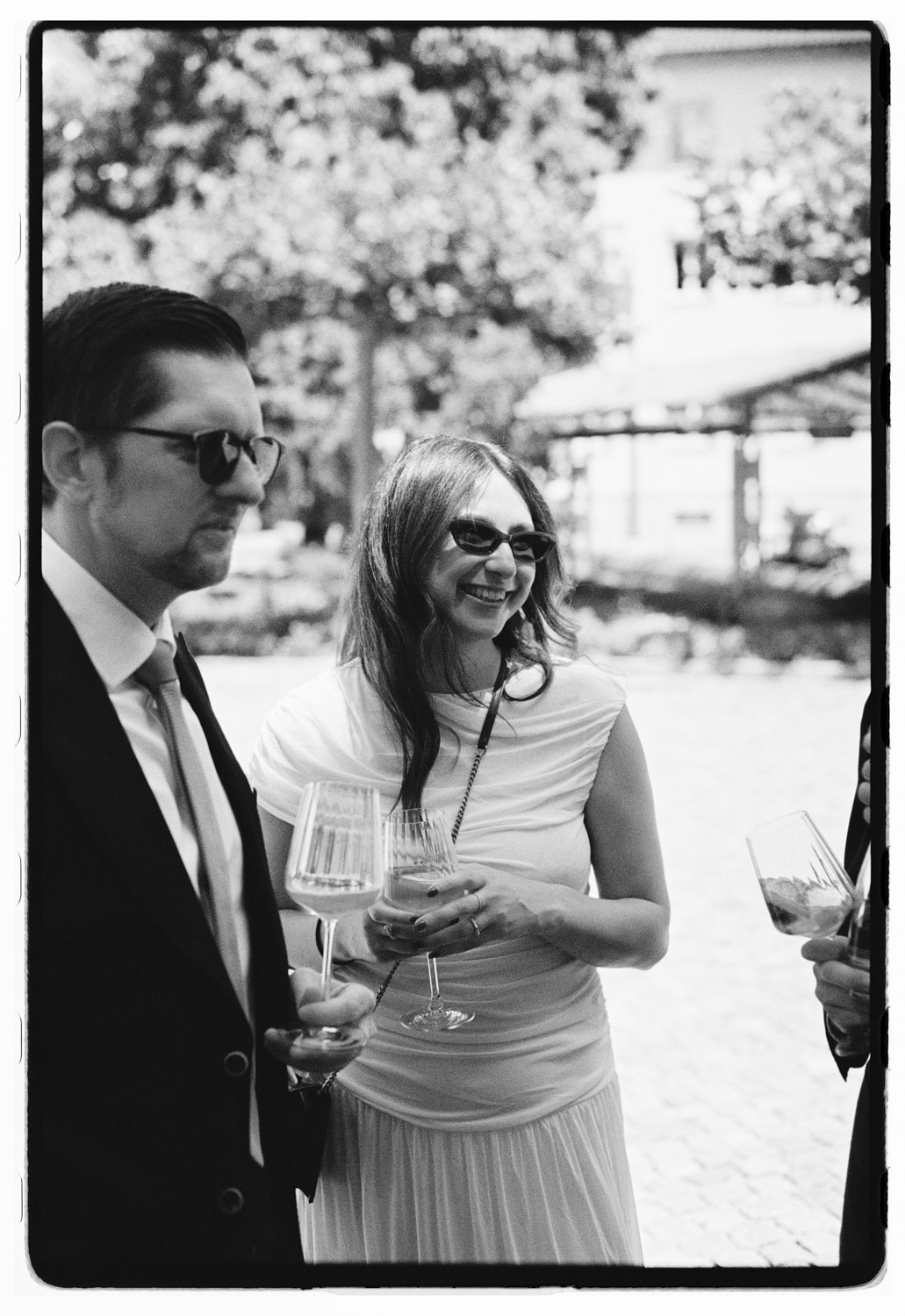
Think of digital as the backbone of your documentary and 35mm wedding photography as the tone that shapes it. Digital secures the essential beats; film adds intention, slows the viewing pace, and draws attention to details that deserve a second look. I integrate the analogue frames directly into your final gallery so they stand beside the “perfect” digital photographs and add contrast in the best sense: more nostalgic, a touch more honest.
What to Expect (and Not Expect) from Analogue Wedding Photography
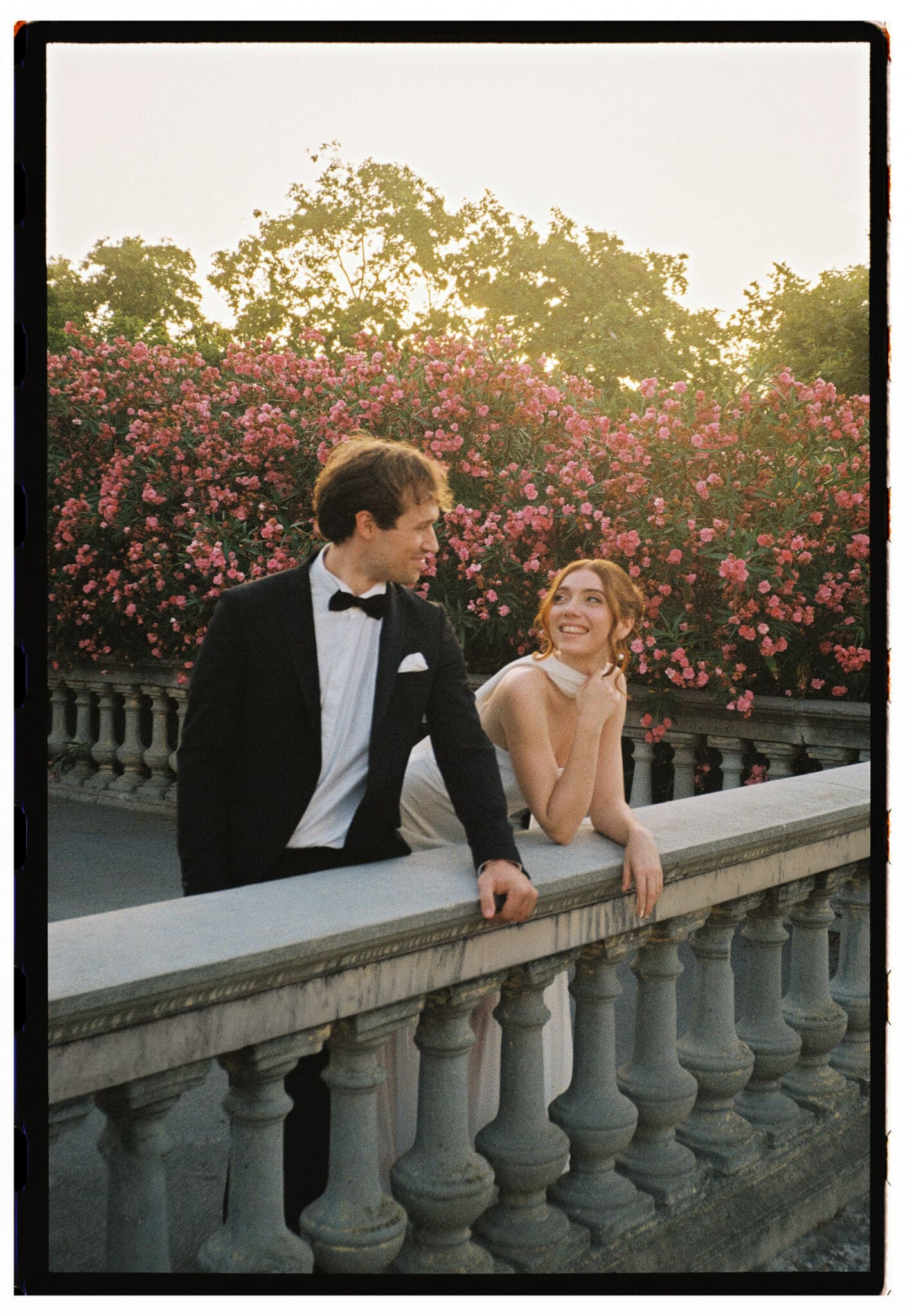
What to expect: Analogue loves good light. In daylight you get true-to-life color, gentle highlights, and a soft grain that feels tactile. A few frames shot on film become heirloom accents within the larger gallery. There’s nothing quite comparable. Couples choose film for the more intentional pace and for the beauty of images that embrace a touch of “imperfect” authenticity.
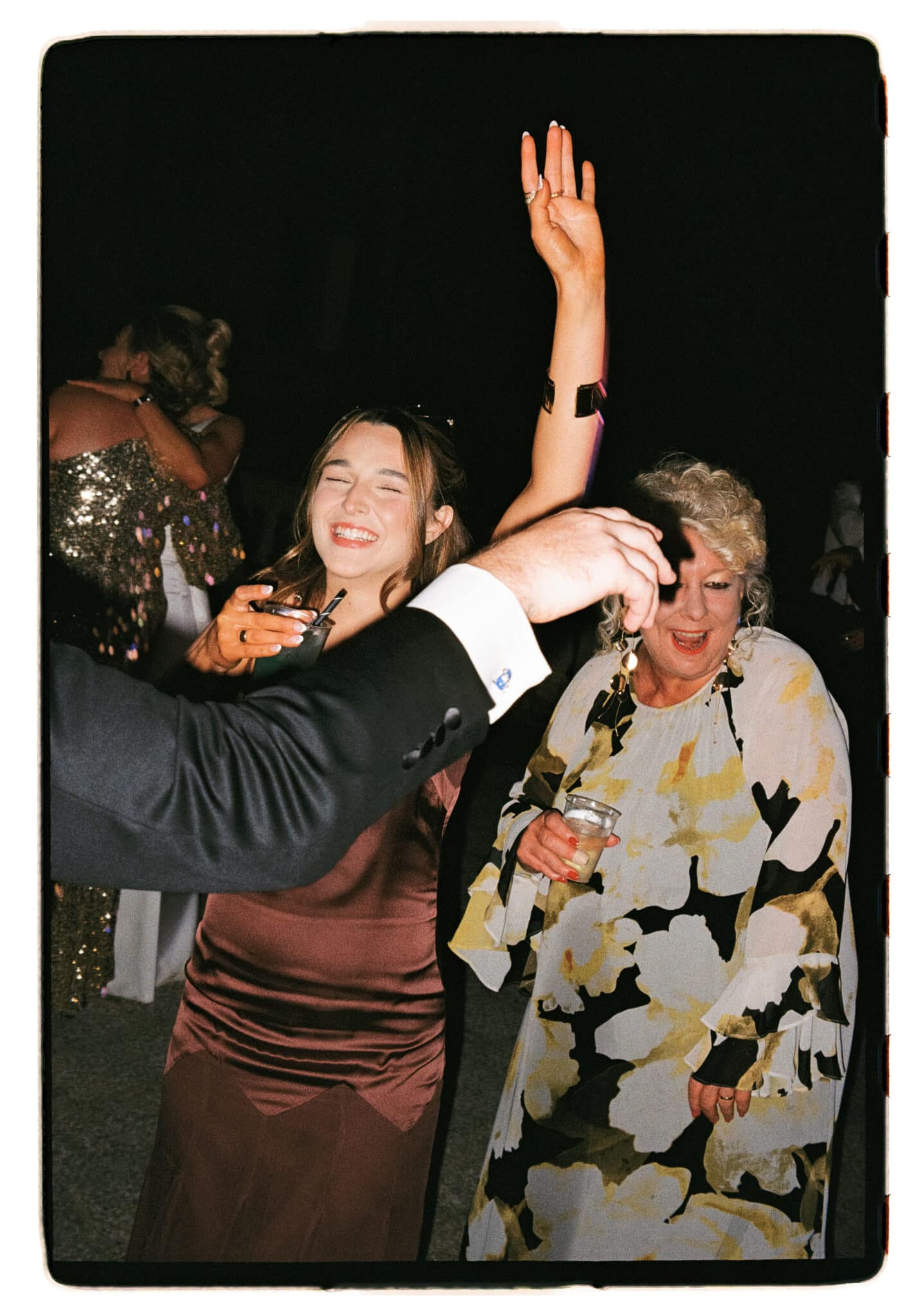
What to keep in mind: Film is less forgiving in low light. It’s completely normal that some frames are out of focus. A roll, or even a camera, can fail, and travel adds minor risk. Because there’s no instant backup or on-camera safety net, you shouldn’t expect every single frame to be perfect. Instead, value the overall outcome.
Side note: As a professional, I’m aware of these risks and take every step to minimize them. I work with multiple analogue cameras at once, shoot different films in parallel, transport film in protective cases when traveling, and ship to the lab tracked and insured. Still, a small residual risk remains.
What not to expect: Film for every scene, ultra-sharp giant prints like the very highest-resolution digital files, every image on a roll turning out great, or perfectly lit frames in all conditions. Film is a slower, heritage medium, beautiful and intentional, which is exactly why it complements (rather than replaces) digital photography.


When Is 35mm Film Right for You?
Choose 35mm film if you value feeling over perfection and if you like images with character. Film Wedding Photography fits you perfectly, if You’re happy with a curated set rather than hundreds of analogue frames. You don’t expect film to cover every moment or look hyper-sharp at mural size.
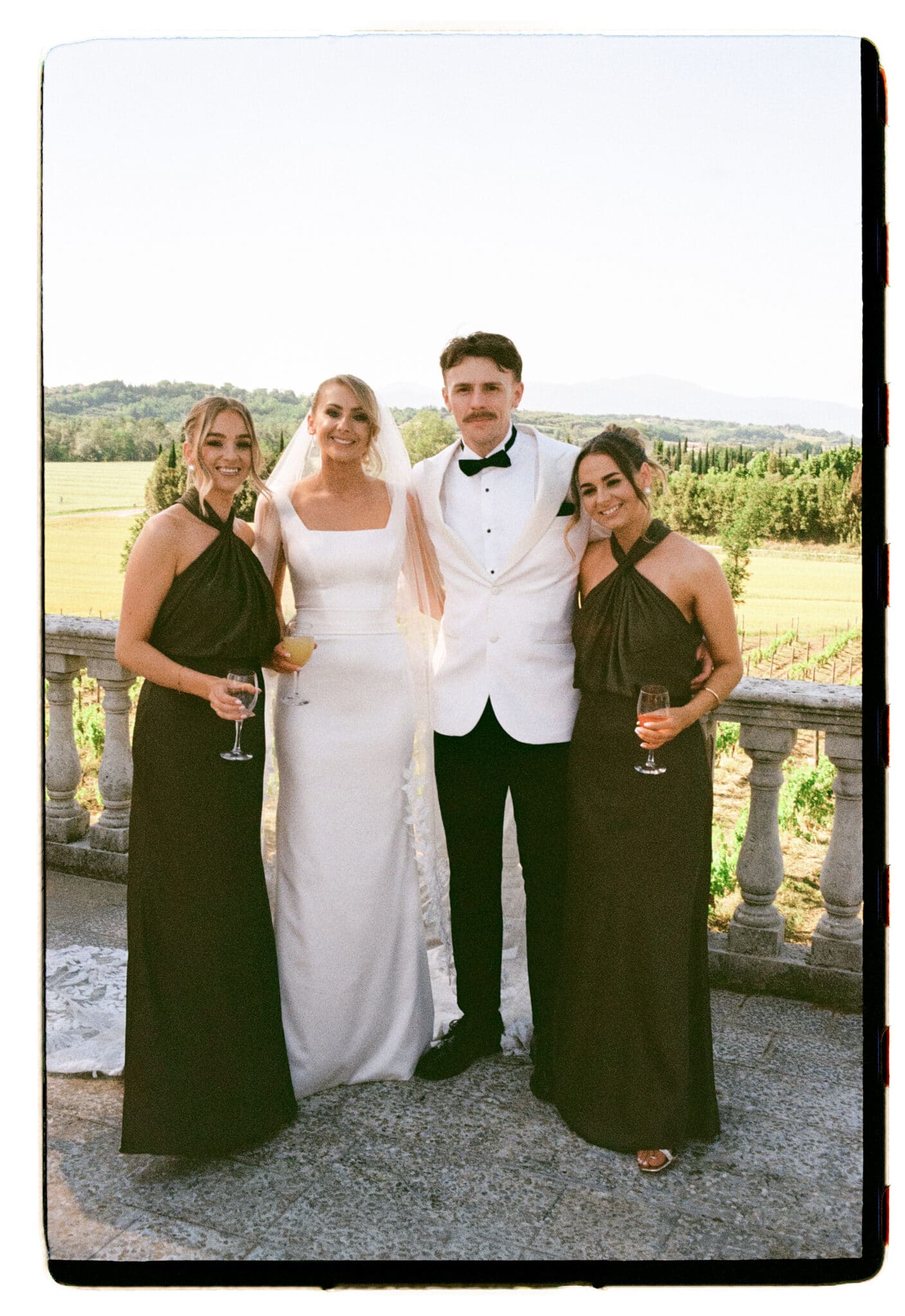
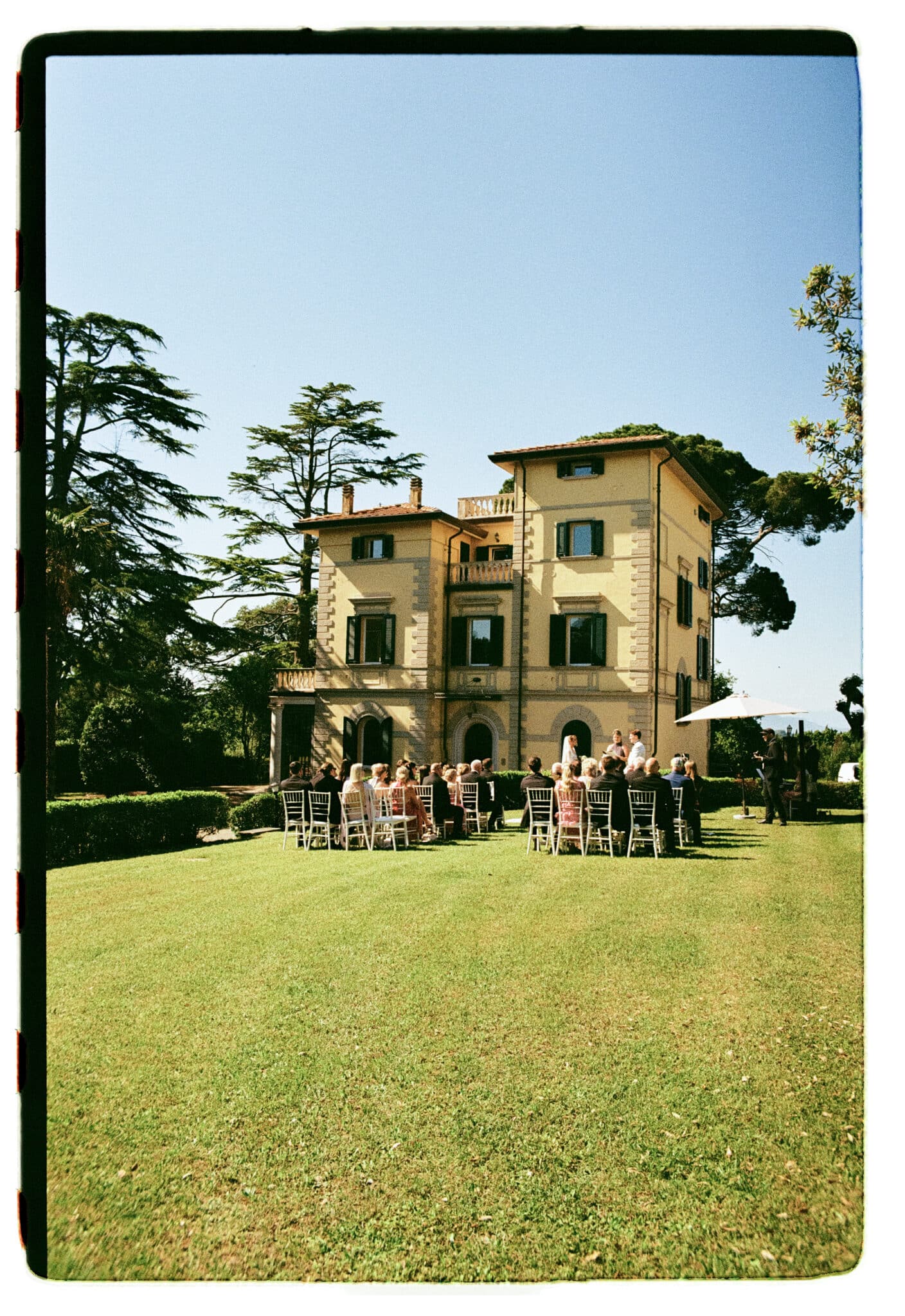
Film shines in Mediterranean summers with long days and steady sun. Think Italy, Spain, and Greece. The light is generous. Colors breathe. The pace feels calm. In these settings, wedding photos on film sit beautifully beside your digital images and shape the mood of the story.
Consider skipping or limiting film if your celebration is in winter with very little light, you prefer no flash at all, or you want maximum sharpness in every single frame. In those cases, we can keep analogue as a small accent. Or rely only on digital for the best results for you.
How I Pair Film Photography with Your Digital Wedding Documentary
Your entire wedding will be captured in digital photos. Every moment is definitely covered. Along the way, I carry my analogue cameras with me all day and photograph throughout. I shoot several rolls of film per day to ensure every moment is captured at least once. The analogue photography blends in naturally, and your day unfolds as usual.
In the end, you receive your full story in one personal online gallery. The digital and analogue images sit side by side, completing the narrative.

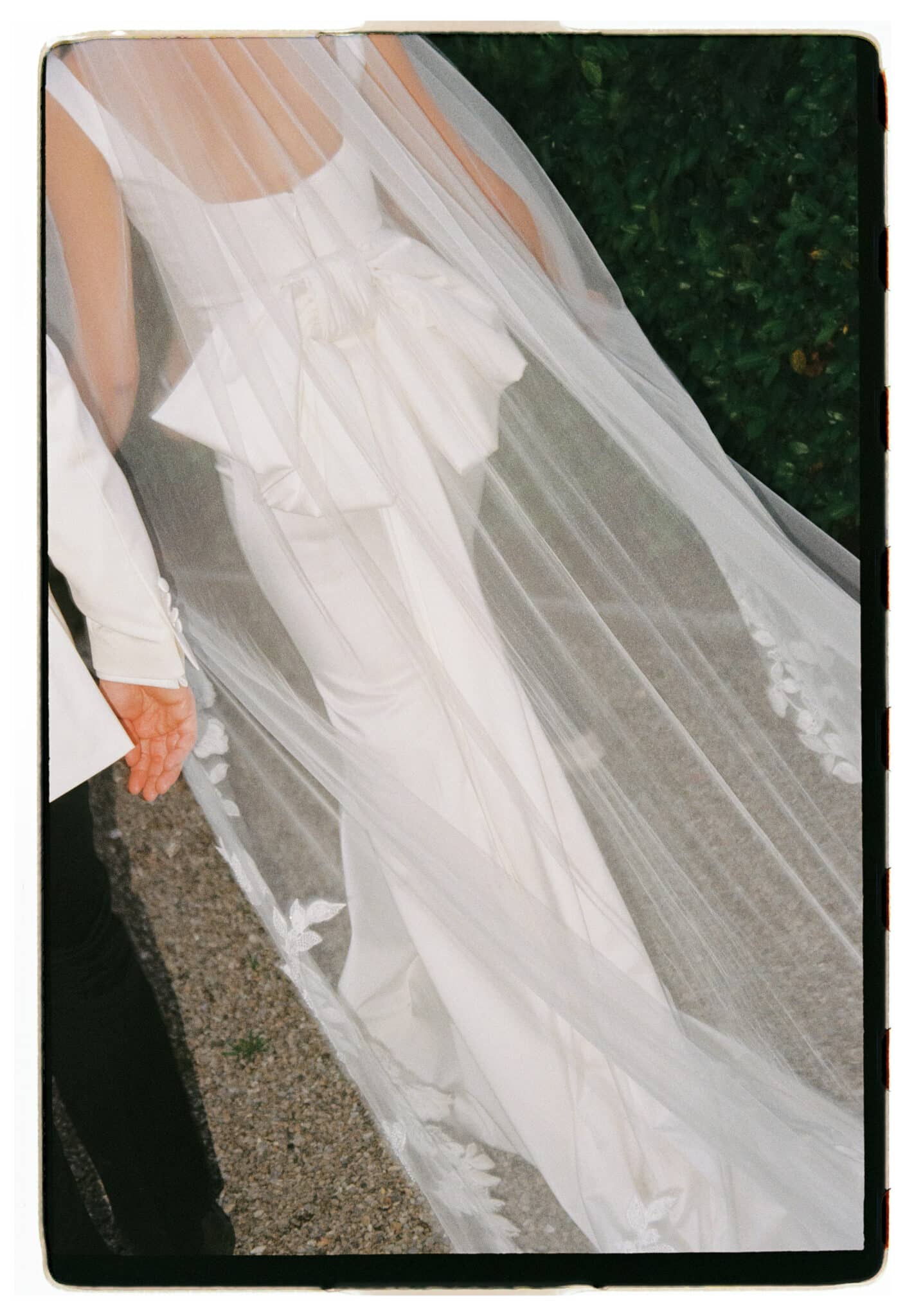
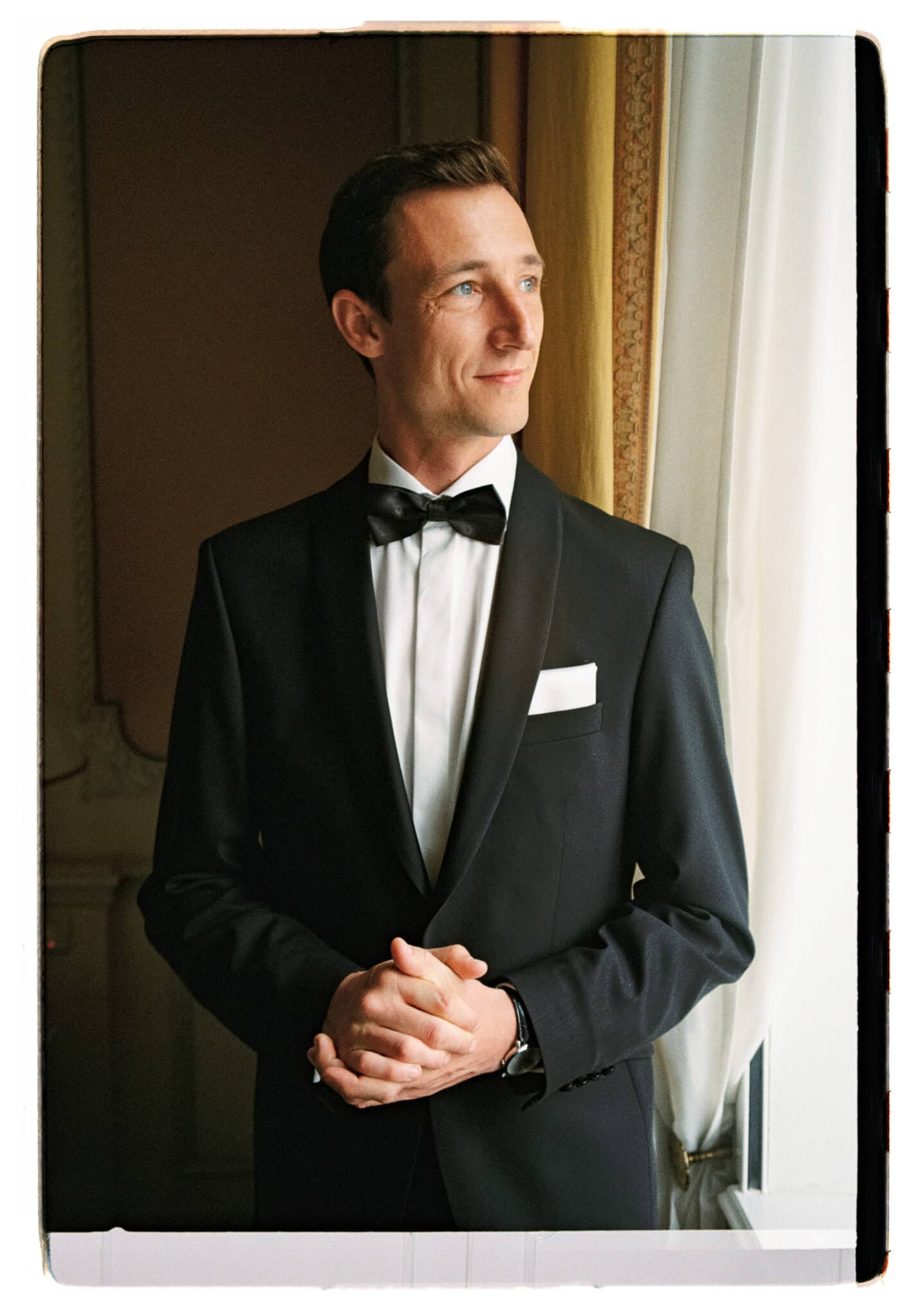
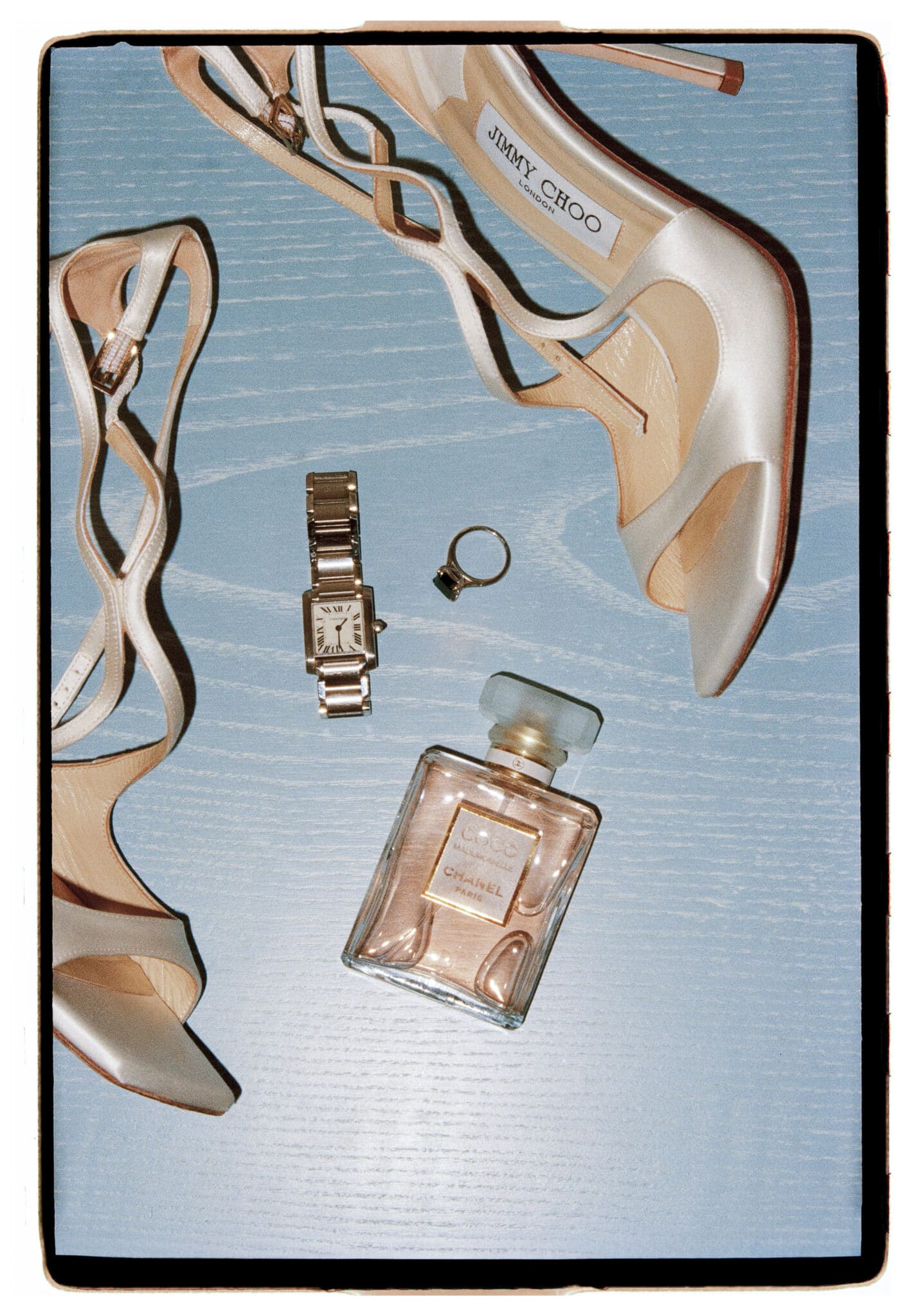
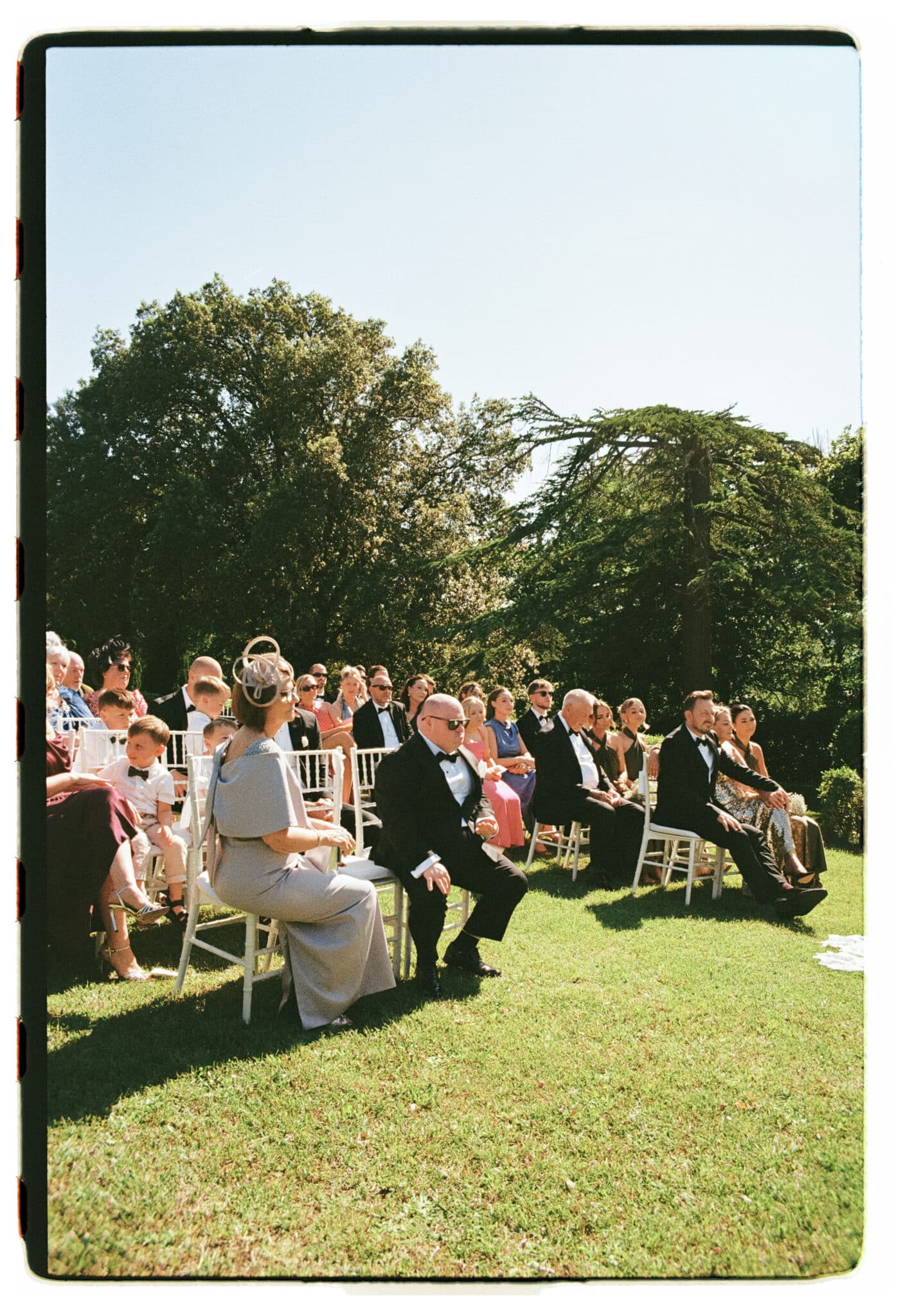
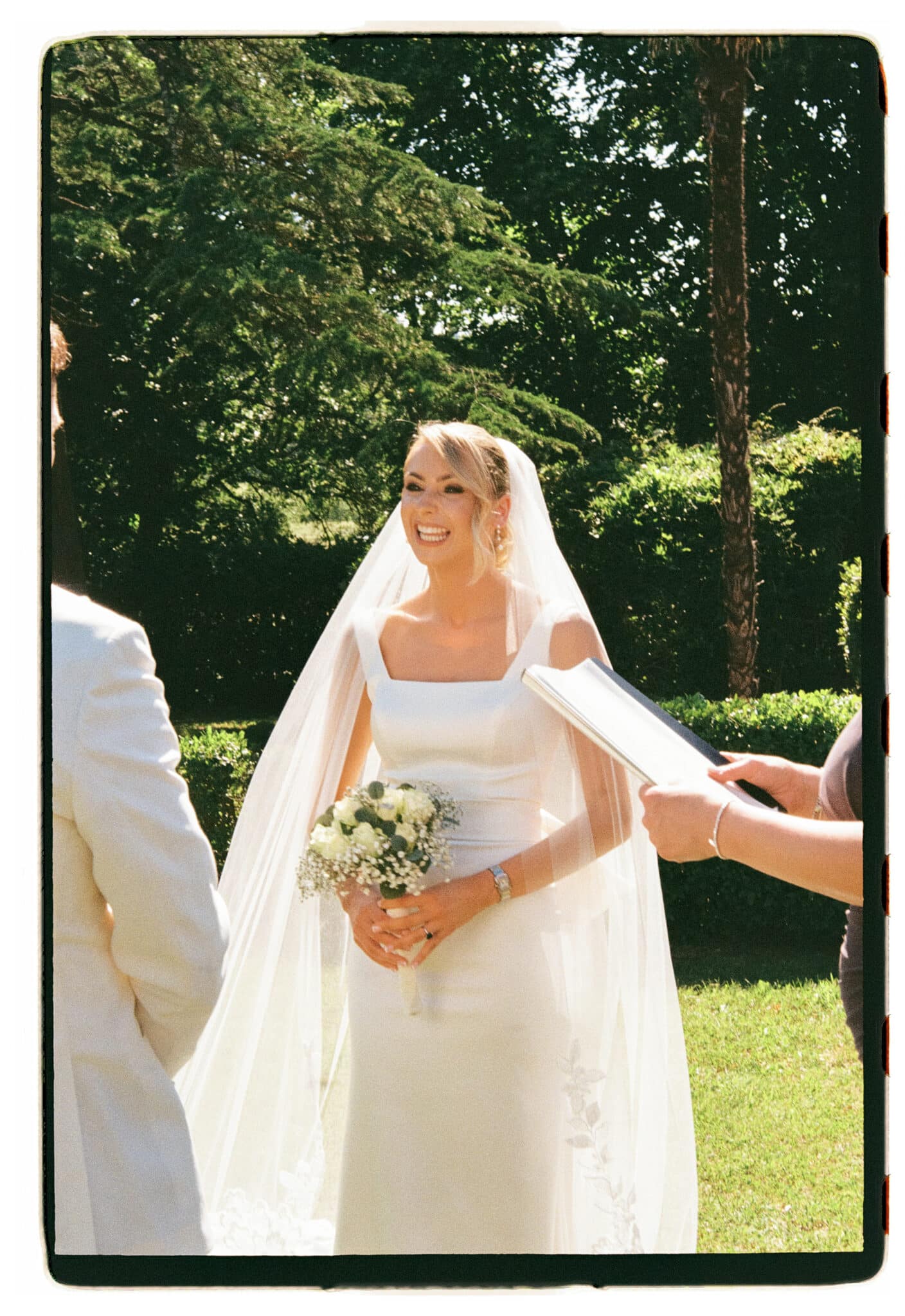
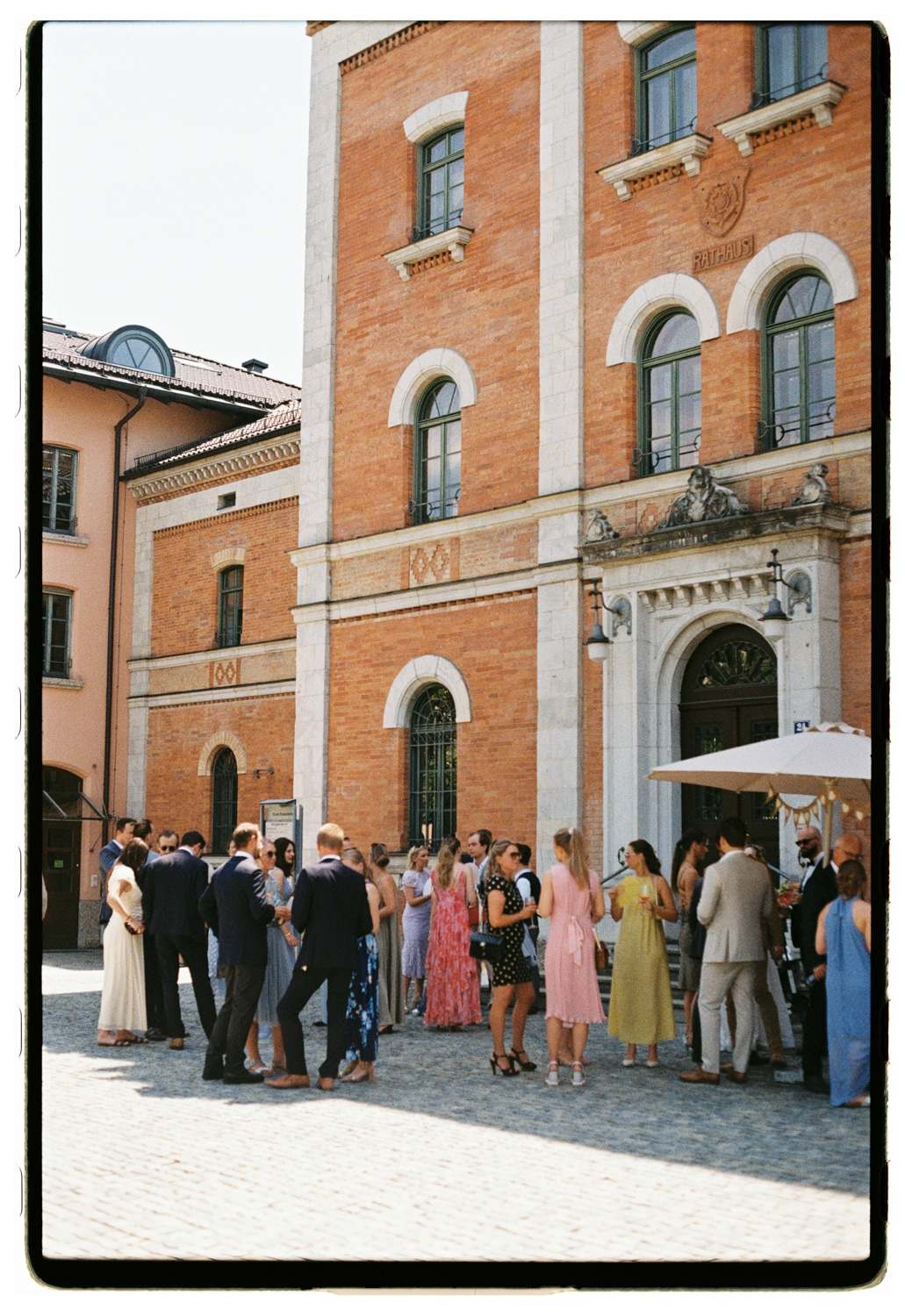
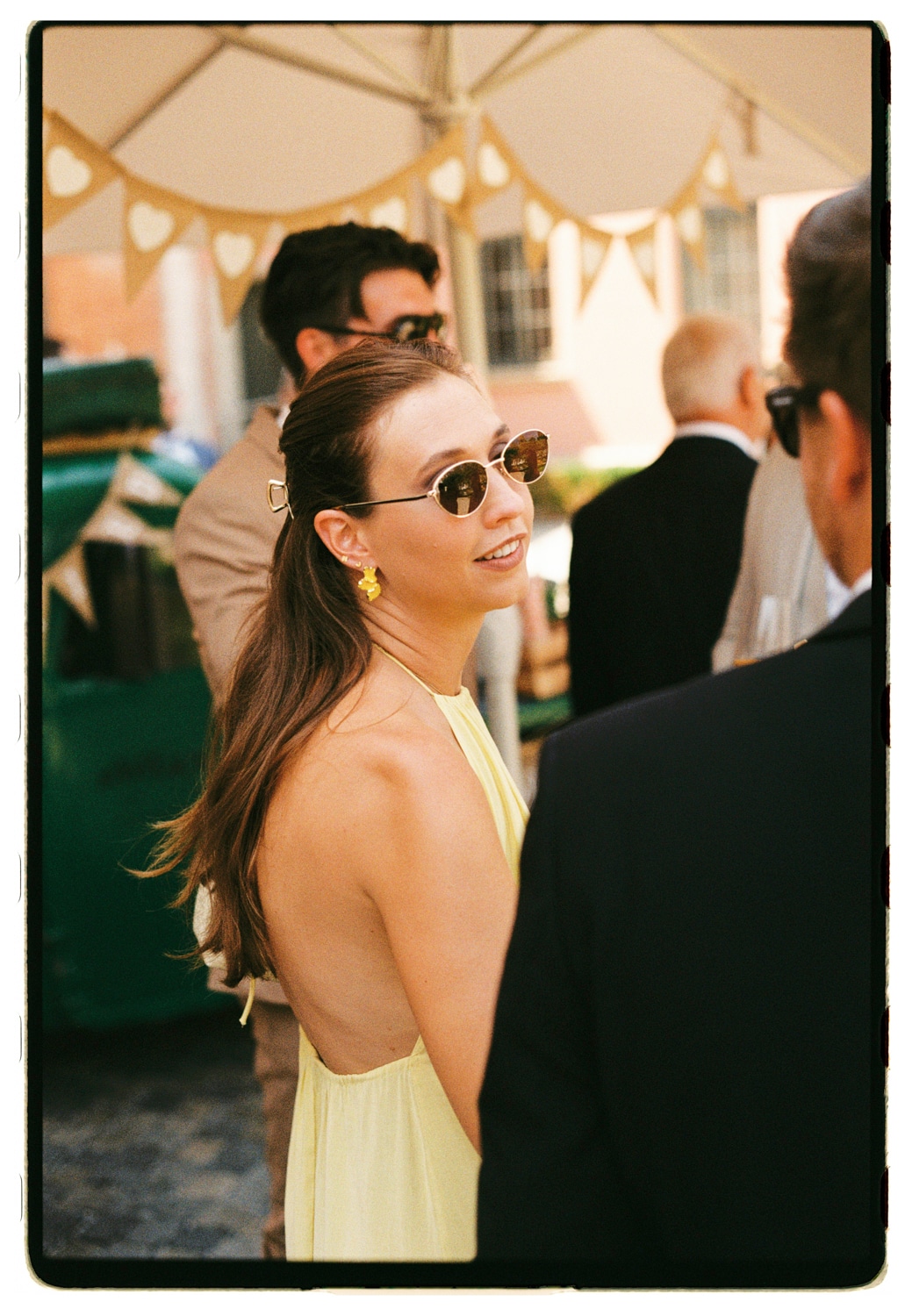
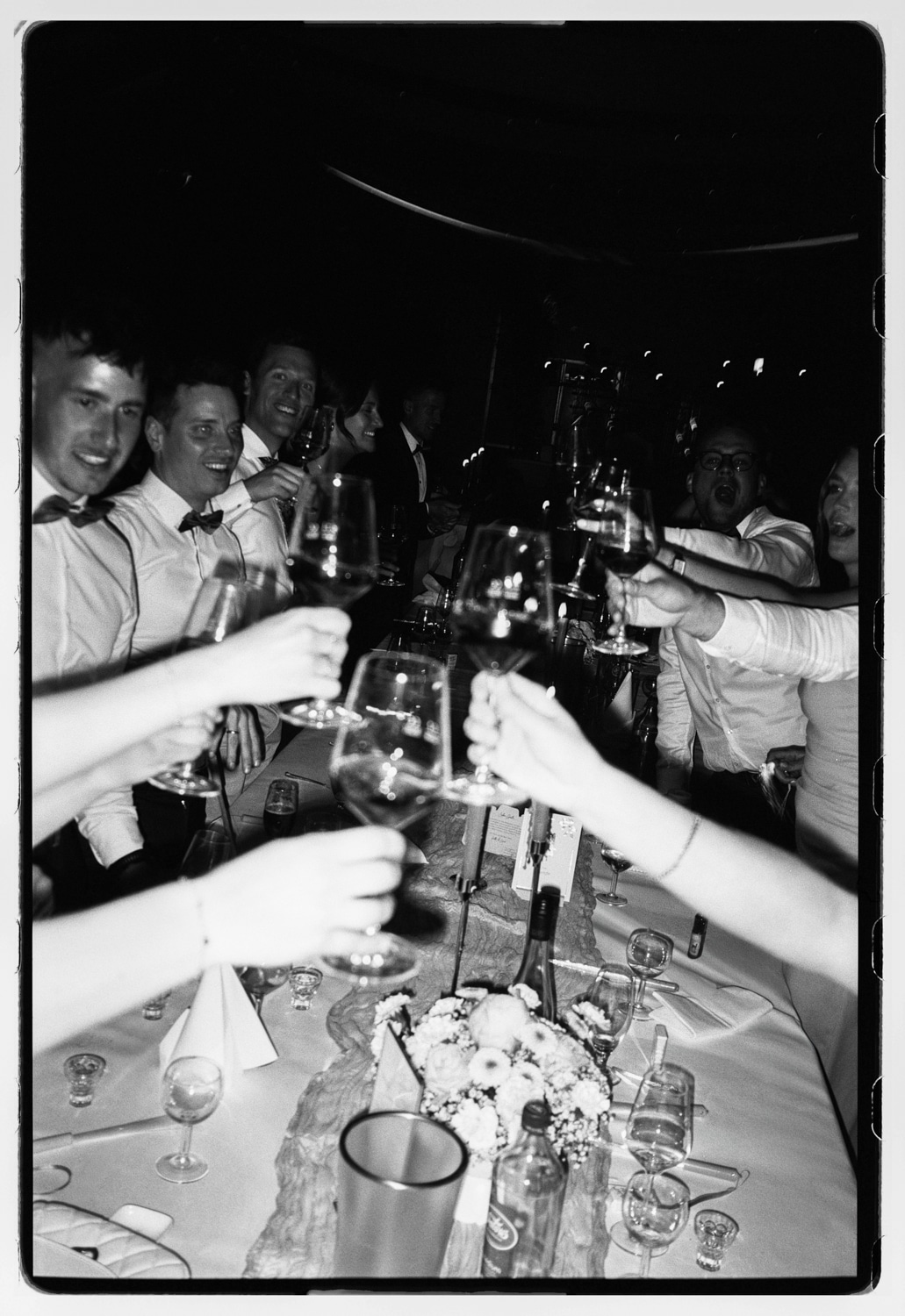
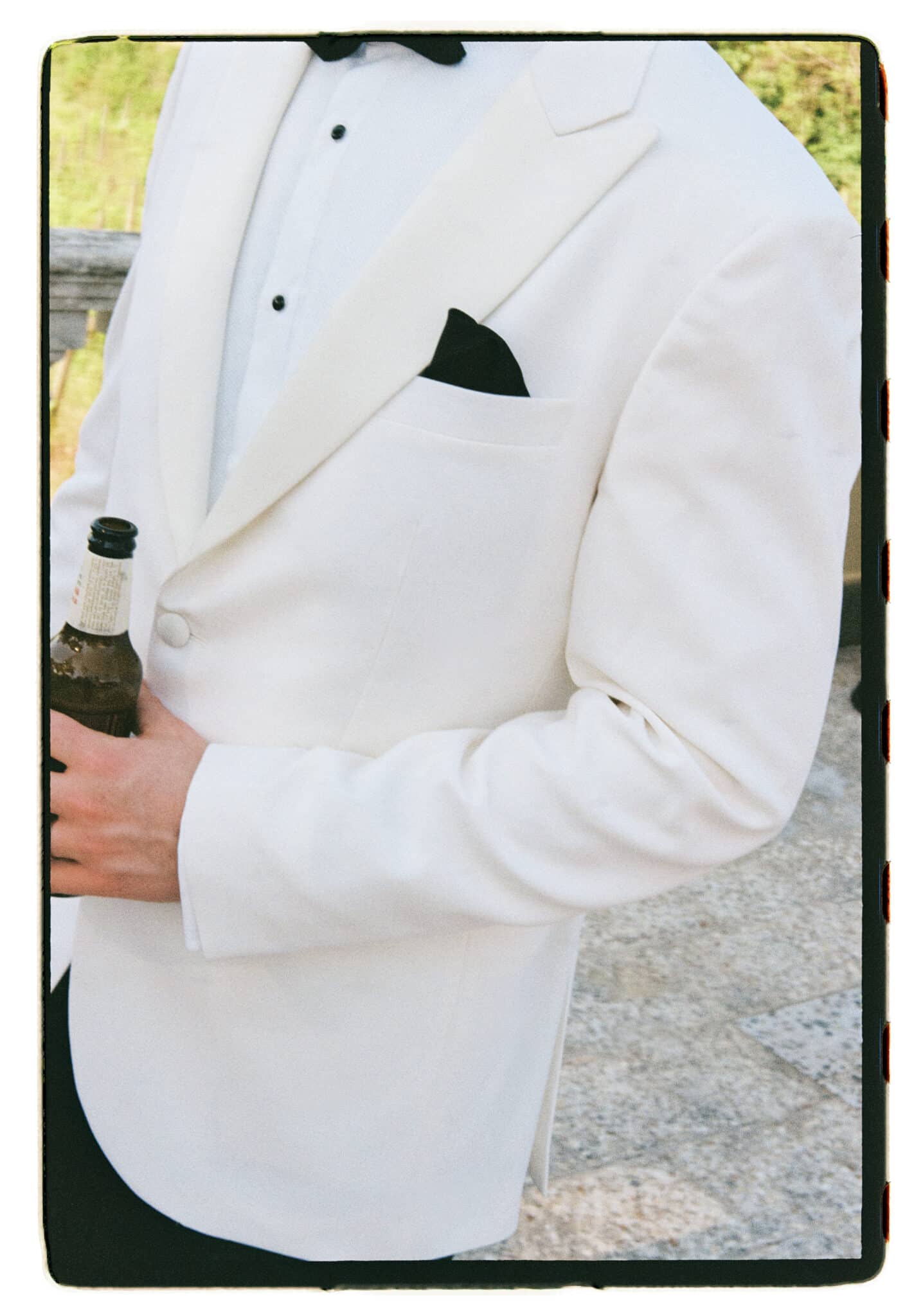
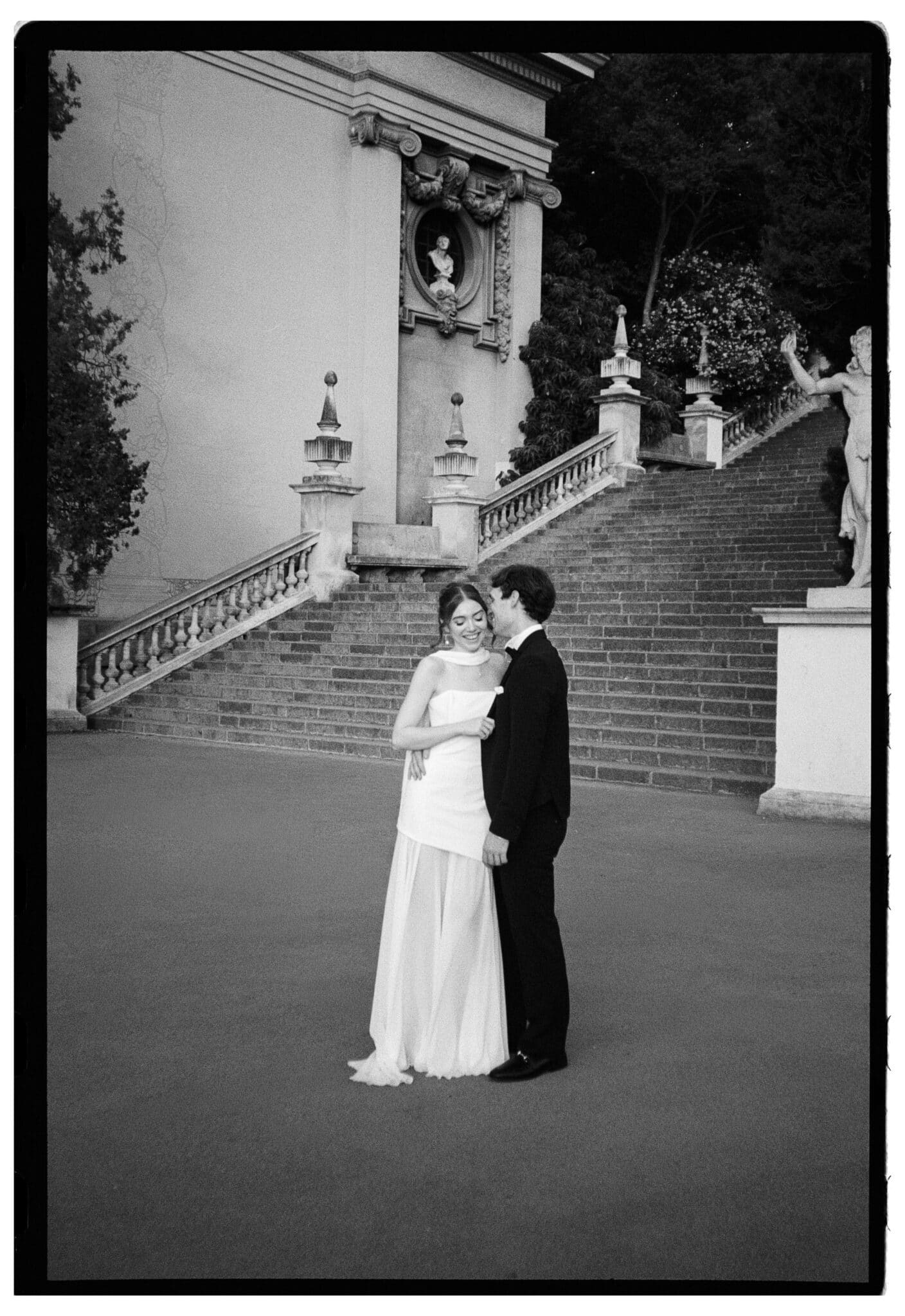
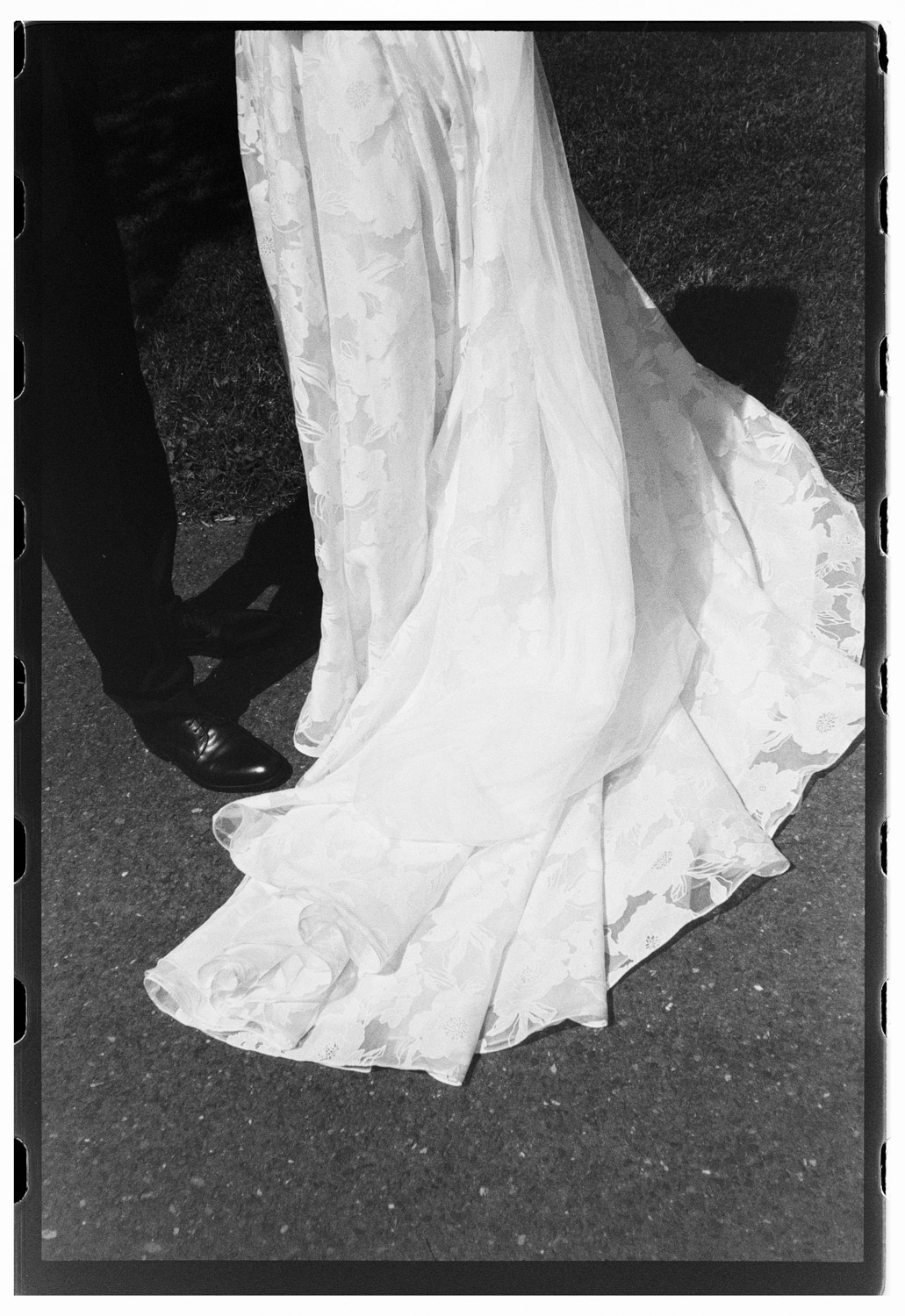
Captured on Film: A Curated Image Gallery
Your whole wedding is photographed digitally, so every moment is covered. At the same time, I keep my analogue cameras with me and add film shots throughout the day. I typically shoot a few rolls, so much of your day is captured on film as well.
In the end, you’ll receive one gallery with everything together — digital and analogue side by side — so you can hold on to your whole story.








What Couples Ask about Film Wedding Photography
How will we receive the film scans?
You will receive the images as digital scans delivered within your online wedding gallery.
How long will it take to receive the scans?
Delivery typically takes 8–12 weeks to allow for developing and scanning.
How many rolls of film do you shoot at a wedding?
I usually shoot between 3–9 rolls, depending on the scope of coverage you choose.
Is there increased risk with analogue film?
There is a higher risk than with digital photography: a roll can tear, transport issues can occur, and some frames may not turn out well. As a professional, I’m aware of these risks and take every step to minimize them. I am working with multiple cameras and films in parallel. I also ship all film to the lab insured and tracked, yet a minimal residual risk always remains.


How does shooting on film differ from digital in light and technique?
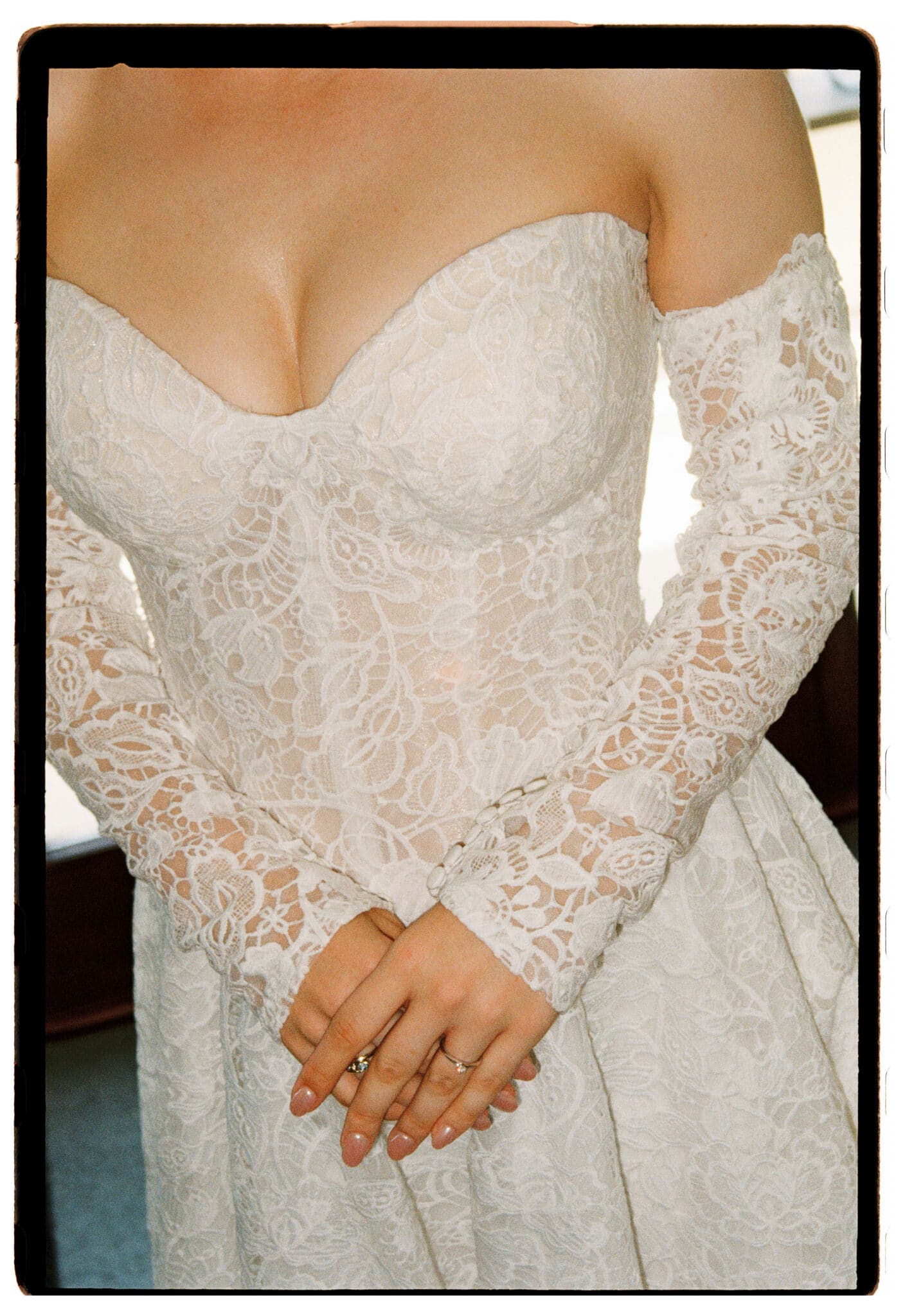
Film is less forgiving in low light and images can be out of focus more easily. Digital handles poor light far better and can keep up with the pace of a wedding day, which is why analogue is a curated add-on as an extension of your wedding documentary.
Can we add film to our destination wedding?
Absolutely! Film can be added to any coverage, wherever your wedding takes place.
Are the film scans in color or black-and-white?
Most scans are in color, but if you love black-and-white as much as I do, I’m happy to shoot more on dedicated B&W film, which offers a distinct and beautifully expressive look.
Which film stocks do you use (e.g., color vs. black-and-white), and can we share preferences?
Please share your preferences! I love black-and-white stocks for their elegant contrast. Most rolls I shoot are color, so your analogue photos will primarily be in color unless you request otherwise.


Can we request specific moments to be shot on film (e.g., portraits, ceremony, details)?
During our pre-wedding consultation we’ll discuss your vision and plan for your wedding and we can also discuss which specific moments you’d like captured on film.
Will the film images be edited after scanning to match the overall gallery aesthetic?
Yes, I apply light edits, so the scans harmonize with your gallery while keeping the unique look of the analogue pictures.
What resolution are the film scans, and are they suitable for large prints?
The scans print beautifully at standard sizes; however, by the nature of film they won’t match the extreme sharpness of high-resolution digital files, so think refined prints rather than very large canvases.
How do you protect unprocessed film when traveling (e.g. X-ray scanners)?
Film is sensitive, so I avoid security scans, like X-rays, when possible and keep rolls in a dedicated protective case. Everything is packed carefully, insured, and handled with care so your film rolls stay safe.
Are you looking for a wedding photographer?
I’m a professional wedding photographer with 10 years of experience creating visual documentaries that feel candid, elegant, and deeply moving. I’m drawn to what feels real: The quiet moments between the big ones, the details that hold memory, the way light settles on skin and fabric. I move with the day, observing rather than directing and guide gently when it’s needed.
If you’re planning a destination wedding in Europe and want a photographer who works quietly but professional I’d love to meet you! My availability is limited so I can give each couple my full attention and craft a gallery that feels entirely their own.
Start your Journey now!